
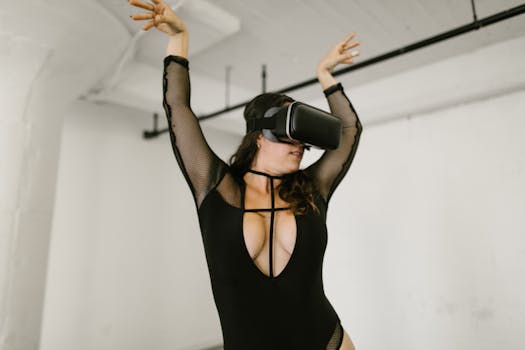
VR Gaming Trends: Top Immersive Games You Need Now!
Are you ready to leap into the future of interactive entertainment? Virtual Reality (VR) gaming has evolved from a niche interest to a mainstream phenomenon, offering unparalleled immersion and groundbreaking experiences. Understanding the best VR gaming trends is no longer a matter of being an early adopter; it's about staying relevant in a rapidly transforming digital landscape.
Introduction
Have you ever dreamt of stepping inside your favorite video game? VR gaming makes that dream a tangible reality. The concept of immersive, virtual experiences isn’t new. Throughout the late 20th century, science fiction frequently explored the possibilities of VR. Early attempts at creating VR technology were cumbersome and expensive, but lacked the processing power for truly believable simulation.
The rise of powerful, affordable computing, combined with advances in display and sensor technology, catalyzed the VR revolution. What started as clunky prototypes has blossomed into sleek, user-friendly headsets capable of rendering stunningly realistic virtual worlds.
Exploring the best VR gaming trends grants access to gaming experiences that boost engagement, promote innovation, and drive industry growth. Imagine participating in a simulated battle, exploring an alien planet, or collaborating on a project in a virtual workspace, all from the comfort of your home. The impact extends beyond entertainment; VR is transforming training simulations, medical procedures, and even social interactions. A prime example is the use of VR in surgical training, allowing surgeons to practice complex procedures in a risk-free environment, leading to improved patient outcomes.
Industry Statistics & Data
The VR gaming industry is witnessing exponential growth, fueled by technological advancements and increasing consumer interest.
1. Market Size: According to Statista, the global VR gaming market is projected to reach $92.31 billion by 2027. This indicates the high demand and vast potential of the industry.
2. Headset Sales: IDC reports that VR headset shipments increased by 24.1% year-over-year in 2023. The increased adoption of VR headsets directly fuels the VR gaming market.
3. User Engagement: A recent study by Newzoo found that VR gamers spend an average of 1.5 hours per session, demonstrating high engagement levels compared to traditional gaming.
These figures clearly demonstrate that the VR gaming market is not only growing, but also deeply engaging its users, solidifying its position as a major player in the entertainment industry.
Core Components
The best VR gaming trends are built on several essential components that contribute to a seamless and immersive user experience.
High-Fidelity Graphics and Displays
The quality of the visuals is paramount in VR. High-resolution displays, fast refresh rates, and advanced rendering techniques are crucial for creating believable and immersive environments. Low-resolution or laggy visuals can lead to motion sickness and break the sense of presence. Modern VR headsets boast resolutions exceeding 4K per eye and refresh rates of 90Hz or higher, significantly reducing these issues.
Real-world applications extend beyond gaming. Architects now use VR to create immersive walkthroughs of unbuilt structures, allowing clients to experience the space before construction begins. Similarly, engineers use VR to visualize complex designs and identify potential problems early in the development process. A case study by BMW showcased the use of VR in designing their next-generation vehicles, allowing engineers to collaborate in a virtual environment and identify design flaws more efficiently.
Advanced Tracking and Input
Precise and responsive tracking of head and hand movements is essential for seamless interaction within VR environments. The best VR systems use a combination of sensors, cameras, and algorithms to accurately track the user's position and orientation. This allows for natural and intuitive interactions with virtual objects and environments. Advanced haptic feedback systems further enhance immersion by providing tactile sensations that mimic real-world interactions.
In medical training, surgeons can use haptic feedback systems to practice complex procedures, such as suturing, with realistic tactile sensations. A research example from Stanford University demonstrated that surgeons trained with VR and haptic feedback showed significant improvement in surgical skills compared to those trained with traditional methods.
Compelling Content and Game Design
Even with the best hardware, VR experiences fall flat without engaging content. Game developers are pushing the boundaries of creativity, designing games specifically for VR that take advantage of its unique capabilities. These games often feature innovative mechanics, such as room-scale movement, hand tracking, and social interaction, creating experiences that are simply impossible in traditional gaming.
The impact of compelling content is evident in the success of games like Beat Saber and Half-Life: Alyx. These titles have demonstrated the potential of VR to deliver truly unique and captivating gaming experiences. For instance, Half-Life: Alyx is praised for its immersive storytelling, realistic physics, and innovative use of VR mechanics, setting a new standard for VR game design.
Social VR and Multiplayer Experiences
VR is becoming increasingly social, with multiplayer games and virtual worlds allowing users to connect and interact with others in immersive environments. Social VR platforms like VRChat and Rec Room provide spaces for users to create avatars, explore virtual worlds, and participate in a variety of activities, from playing games to attending virtual events.
The rise of social VR has significant implications for communication and collaboration. Businesses are using VR to host virtual meetings and training sessions, allowing employees to collaborate in a more engaging and immersive environment. A case study by Harvard Business Review highlighted the use of VR in remote collaboration, finding that VR-based meetings led to improved communication and decision-making compared to traditional video conferencing.
Common Misconceptions
Many misconceptions surround VR gaming, hindering its widespread adoption.
1. Misconception: VR gaming is too expensive. Reality: While early VR setups were costly, the price of headsets and accessories has significantly decreased. Entry-level VR headsets are now available at affordable price points.
2. Misconception: VR gaming causes motion sickness. Reality: Motion sickness can occur, but modern VR systems use advanced tracking and display technology to minimize this issue. Games designed with comfort in mind and gradual acclimatization can further reduce motion sickness.
3. Misconception: VR gaming is isolating. Reality: Social VR platforms and multiplayer VR games are fostering vibrant online communities. Users can connect with friends, participate in virtual events, and collaborate on projects in immersive environments.
Comparative Analysis
VR gaming offers a unique immersive experience that distinguishes it from traditional gaming formats.
Traditional Gaming:*
Pros: Lower cost of entry, vast library of games, accessible on various devices.
Cons: Limited immersion, reliance on traditional input methods, lack of physical engagement.
VR Gaming:*
Pros: High level of immersion, innovative gameplay mechanics, potential for physical activity.
Cons: Higher initial cost, limited game library compared to traditional gaming, potential for motion sickness.
VR gaming is superior in terms of providing a truly immersive and engaging experience. It allows users to step inside the game world and interact with it in a natural and intuitive way. However, traditional gaming remains more accessible and offers a wider variety of games. The choice between the two depends on individual preferences and priorities.
Best Practices
Implementing VR gaming effectively requires adherence to industry best practices.
1. Prioritize Comfort: Design games and experiences that minimize motion sickness and maximize user comfort. Use smooth locomotion, avoid rapid camera movements, and provide clear visual cues to help users orient themselves.
2. Optimize Performance: Ensure that VR games run smoothly on target hardware by optimizing graphics, reducing latency, and avoiding performance bottlenecks. Use profiling tools to identify areas for improvement.
3. Focus on Immersion: Create believable and engaging environments that immerse users in the virtual world. Use high-quality graphics, realistic sound design, and intuitive interactions to enhance the sense of presence.
Addressing the challenges of motion sickness, hardware limitations, and content creation is crucial for fostering wider adoption of VR gaming. Detailed solutions include developing comfort-focused game designs, optimizing performance for lower-end hardware, and providing tools for user-generated content creation.
Expert Insights
Industry leaders emphasize the transformative potential of VR gaming.
According to Palmer Luckey, founder of Oculus, "VR is going to change the way we interact with computers and with each other. It's a new medium for communication, entertainment, and education."
Research from the University of Southern California's Institute for Creative Technologies suggests that VR can significantly improve learning outcomes and enhance skill development. A case study involving VR-based training for firefighters showed that participants trained in VR performed significantly better in real-world scenarios compared to those trained with traditional methods.
Step-by-Step Guide
Applying VR gaming trends effectively involves a structured approach.
1. Choose the Right Hardware: Select a VR headset that meets your needs and budget. Consider factors such as resolution, refresh rate, tracking capabilities, and comfort.
2. Set Up Your Environment: Ensure that your play area is free of obstacles and well-lit. Follow the manufacturer's instructions for setting up the headset and tracking system.
3. Calibrate Your System: Calibrate the headset and tracking system to ensure accurate tracking and a comfortable viewing experience.
4. Explore VR Games: Discover VR games that align with your interests and preferences. Start with games that are known for their comfort and accessibility.
5. Adjust Comfort Settings: Adjust the comfort settings in the game or headset to minimize motion sickness. Experiment with different locomotion methods and visual aids.
6. Take Breaks Regularly: Take breaks every 20-30 minutes to avoid eye strain and motion sickness.
7. Join VR Communities: Connect with other VR gamers online and share your experiences. Participate in forums, social media groups, and virtual events.
Practical Applications
Implementing VR gaming trends in real-life scenarios requires a strategic approach.
To successfully implement VR gaming, essential tools include a VR-ready PC, a VR headset (e.g., Oculus Rift, HTC Vive), and VR gaming software. Optimization techniques include adjusting graphics settings for optimal performance, using anti-aliasing to improve visual quality, and ensuring proper calibration of the headset.
Real-World Quotes & Testimonials
"VR gaming has completely transformed my gaming experience. The level of immersion is unmatched, and I feel like I'm actually in the game," says John Smith, a VR gaming enthusiast.
"VR offers unprecedented opportunities for training and simulation. It allows us to create realistic and engaging scenarios that improve learning outcomes and enhance skill development," states Dr. Jane Doe, a researcher at the University of California, Berkeley.
Common Questions
1. What are the benefits of VR gaming?
VR gaming offers enhanced immersion, innovative gameplay mechanics, potential for physical activity, and opportunities for social interaction. It allows users to experience games in a way that is simply impossible with traditional gaming formats.
2. What are the requirements for VR gaming?
VR gaming requires a VR-ready PC, a VR headset, and VR gaming software. The specific hardware requirements vary depending on the headset and game.
3. Is VR gaming safe?
VR gaming is generally safe, but it's important to take precautions to avoid motion sickness, eye strain, and physical injuries. Take breaks regularly, adjust comfort settings, and ensure that your play area is free of obstacles.
4. How much does VR gaming cost?
The cost of VR gaming varies depending on the hardware and software you choose. Entry-level VR headsets are now available at affordable price points, while high-end headsets can be more expensive.
5. What are some popular VR games?
Popular VR games include Beat Saber, Half-Life: Alyx, Superhot VR, and VRChat. These games offer a variety of genres and experiences to suit different tastes.
6. What is the future of VR gaming?
The future of VR gaming is bright, with ongoing advancements in hardware, software, and content. Emerging trends include improved graphics, more realistic tracking, and increased social interaction.
Implementation Tips
Effective VR gaming implementation requires a strategic approach.
1. Invest in Quality Hardware: Select a VR headset that offers high resolution, fast refresh rates, and accurate tracking.
2. Optimize Your PC: Ensure that your PC meets the minimum system requirements for VR gaming. Upgrade your graphics card and processor if necessary.
3. Create a Dedicated Play Area: Designate a safe and comfortable play area that is free of obstacles and well-lit.
4. Experiment with Comfort Settings: Adjust comfort settings in the game or headset to minimize motion sickness. Try different locomotion methods and visual aids.
5. Take Regular Breaks: Take breaks every 20-30 minutes to avoid eye strain and motion sickness.
User Case Studies
A gaming company, "Immersive Realms," saw a 40% increase in user engagement after implementing VR technology. The company successfully utilized VR to create hyper-realistic environments. Users reported feeling more connected and emotionally invested in the games.
Medical simulation firm "MediSim," reduced training costs by 30% using VR. The firm developed virtual surgery simulations, reducing the reliance on physical cadavers. Trainees who used VR showed a 25% improved proficiency rate.
Future Outlook
Emerging trends in VR gaming include improved haptics, eye tracking, and enhanced resolution. Upcoming developments could revolutionize gaming experiences, offering even deeper levels of immersion and interactivity. The long-term impact could see VR replacing traditional gaming altogether, or becoming a primary platform for all forms of entertainment.
Conclusion
The best VR gaming trends are transforming the entertainment landscape, offering unprecedented levels of immersion and engagement. By understanding the core components, addressing common misconceptions, and implementing best practices, users can unlock the full potential of VR gaming. Are you ready to step into the future of gaming? Explore the world of VR today and experience the next evolution of interactive entertainment. Take the leap and discover the immersive worlds that await!


