
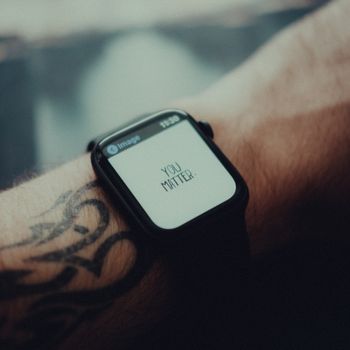
Best Wearable Tech 2024: Gadgets You Need to Try Now!
Are you ready to level up your life with cutting-edge technology? The world of wearable technology is constantly evolving, offering innovative solutions for everything from fitness tracking to communication. Navigating this landscape can be overwhelming, which is why we've curated a list of the best wearable tech you should try today. Embracing these advancements can significantly improve your health, productivity, and overall well-being.
Introduction
Wearable technology has moved beyond simple pedometers and basic smartwatches. These devices now boast sophisticated sensors, advanced algorithms, and seamless connectivity, offering a wealth of data and personalized insights. The rise of wearable tech is driven by the increasing demand for proactive health management, convenient communication, and enhanced user experiences. From monitoring vital signs to providing real-time feedback during workouts, wearable devices are becoming indispensable tools for modern living. Their increasing functionality is also impacting industries such as healthcare, sports, and manufacturing.
The history of wearable tech traces back to the early calculators worn as wristwatches in the 1970s. However, the true revolution began with the advent of smartphones and the subsequent miniaturization of electronic components. Companies like Fitbit popularized fitness trackers, while Apple Watch redefined the smartwatch category. Today, the market is teeming with diverse options, ranging from smart clothing and augmented reality glasses to specialized medical devices.
The key benefits of wearable tech include improved health monitoring, enhanced productivity, seamless communication, and personalized experiences. These devices empower users to take control of their well-being, stay connected on the go, and optimize their daily routines. For example, in healthcare, wearable sensors can continuously monitor patients' vital signs, alerting doctors to potential problems before they escalate. This proactive approach can lead to earlier diagnoses, more effective treatments, and ultimately, better patient outcomes.
Industry Statistics & Data
1. The global wearable technology market is projected to reach $118.16 billion by 2028, growing at a CAGR of 13.8% from 2021, according to Fortune Business Insights. This demonstrates the strong growth trajectory and increasing adoption of wearable devices across various sectors.
2. According to Statista, smartwatches accounted for the largest share of the wearable device market in 2023, with approximately 40% of the total market revenue. This highlights the popularity of smartwatches as a versatile and feature-rich wearable category.
3. Research by Deloitte indicates that over 70% of consumers who own a fitness tracker use it to monitor their physical activity levels, while around 50% use it to track their sleep. This underscores the importance of health and fitness as key drivers of wearable tech adoption.
[Insert Graph: A simple bar graph showing the market share of different wearable categories (Smartwatches, Fitness Trackers, Hearables, Others) in 2023.]
These statistics highlight the significant growth and diversification of the wearable tech market. Smartwatches dominate currently, but other categories like hearables and specialized medical devices are poised for substantial growth. This reflects a growing consumer interest in health monitoring and the increasing sophistication of wearable technologies.
Core Components
Sensors and Data Acquisition
The foundation of any wearable device lies in its sensors and data acquisition capabilities. These sensors collect a wide range of physiological data, including heart rate, sleep patterns, activity levels, skin temperature, and even stress levels. Advanced algorithms then process this raw data to provide meaningful insights to the user. The accuracy and reliability of these sensors are crucial for ensuring the effectiveness of the device. High-quality sensors and sophisticated data processing algorithms are essential for providing accurate and reliable insights.
Real-world applications of sensor-based wearable tech are numerous. For instance, athletes use heart rate monitors and GPS-enabled trackers to optimize their training regimens. Individuals with chronic conditions like diabetes can leverage continuous glucose monitors (CGMs) to manage their blood sugar levels. Even in industries like construction, wearable sensors can track worker fatigue and environmental conditions to improve safety on the job site. A study published in the Journal of Medical Internet Research demonstrated the effectiveness of wearable sensors in predicting and preventing falls in elderly individuals.
Connectivity and Communication
Connectivity is another vital component, allowing wearable devices to seamlessly interact with smartphones, tablets, and other connected devices. Bluetooth is the most common protocol used for short-range communication, while Wi-Fi and cellular connectivity enable remote data transfer and access to cloud-based services. This connectivity allows users to receive notifications, answer calls, stream music, and even control smart home devices directly from their wrist or other wearable device.
The ability to communicate directly from a wearable device provides unparalleled convenience and accessibility. For example, emergency alerts can be automatically triggered based on sensor readings, notifying designated contacts in case of a fall or sudden health event. In professional settings, wearable devices can facilitate hands-free communication in environments where traditional devices are impractical or dangerous. The International Journal of Human-Computer Studies published a case study showing the benefits of using smart glasses with integrated communication features in manufacturing environments, leading to improved efficiency and reduced errors.
Power Management and Battery Life
Power management and battery life are critical considerations for wearable devices, as users expect their devices to operate for extended periods without requiring frequent charging. Innovative power management techniques, such as low-power sensors, optimized software algorithms, and energy-efficient display technologies, are essential for maximizing battery life. The size and capacity of the battery itself also play a significant role.
The development of smaller, more energy-dense batteries is constantly pushing the boundaries of wearable technology. For example, researchers are exploring flexible batteries and energy harvesting techniques to power wearable devices indefinitely. Longer battery life translates to greater user convenience and improved adherence to health monitoring programs. Consider a medical device that continuously monitors a patient's heart rhythm; the longer the battery life, the more reliable and effective the monitoring becomes. This also reduces the burden on patients who can avoid frequently charging their devices.
User Interface and Experience
The user interface (UI) and user experience (UX) are critical factors in determining the success of any wearable device. A well-designed UI should be intuitive, easy to navigate, and visually appealing. The UX should be seamless and enjoyable, encouraging users to actively engage with the device and its features. Considerations such as screen size, resolution, touch sensitivity, and input methods all contribute to the overall user experience.
A positive user experience is essential for driving adoption and long-term engagement. Wearable devices with cluttered interfaces or difficult-to-use features are less likely to be adopted by users. Companies are investing heavily in UX design to create wearable experiences that are both functional and delightful. For example, many smartwatches offer customizable watch faces, intuitive gesture controls, and personalized notifications to enhance the user experience.
Common Misconceptions
Misconception 1: Wearable Tech is Only for Fitness Enthusiasts
Many perceive wearable technology solely as tools for tracking steps and heart rate. While fitness is a major application, modern wearable devices offer a much wider range of functionalities, including communication, productivity enhancement, health monitoring, and even entertainment. Smartwatches can be used to answer calls, send messages, control smart home devices, and access a variety of apps. Specialized wearable devices are also used in healthcare for remote patient monitoring and in industrial settings for worker safety.
Counter-evidence: Consider the use of smart glasses in surgery, providing surgeons with real-time access to patient data and imaging. This application demonstrates the broader applicability of wearable tech beyond fitness.
Misconception 2: Wearable Tech is Always Accurate
While wearable devices utilize advanced sensors and algorithms, they are not always perfectly accurate. Factors such as sensor placement, skin contact, environmental conditions, and individual physiological differences can affect the accuracy of the data collected. It's important to interpret the data from wearable devices with caution and consult with healthcare professionals for accurate medical assessments.
Counter-evidence: Research studies have shown that wearable fitness trackers can overestimate or underestimate calorie expenditure by a significant margin. This highlights the need for users to be aware of the limitations of these devices.
Misconception 3: Wearable Tech is a Privacy Risk
Concerns about data privacy are valid when it comes to wearable technology. These devices collect a vast amount of personal data, including location, health information, and communication patterns. However, reputable manufacturers implement robust security measures and privacy policies to protect user data. Users also have control over their data and can choose to limit the information that is collected and shared.
Counter-evidence: Many wearable device companies adhere to strict data privacy regulations, such as GDPR and HIPAA, and provide transparent privacy policies that outline how user data is collected, used, and protected.
Comparative Analysis
Compared to traditional methods of health monitoring, such as periodic doctor visits and self-reported data, wearable technology offers continuous and objective data collection. This allows for more proactive and personalized health management. Similarly, in the realm of communication, wearable devices provide a more convenient and hands-free alternative to smartphones.
| Feature | Wearable Tech | Traditional Methods |
|---|---|---|
| ----------------- | --------------------------------------------- | --------------------------------------------- |
| Data Collection | Continuous, objective | Periodic, subjective |
| Accessibility | Always accessible, on-demand | Limited to specific appointments or times |
| Convenience | Hands-free, seamless | Requires manual effort |
| Personalization | Highly personalized, data-driven insights | Less personalized, based on general trends |
While traditional methods still hold value, wearable technology enhances them with continuous data, convenience, and personalization. The combination of both approaches can lead to more comprehensive and effective health management.
Best Practices
1. Prioritize Data Security: Choose wearable devices from reputable manufacturers with strong data security and privacy policies. Regularly update the device's software to patch any security vulnerabilities.
2. Ensure Proper Fit and Placement: Proper fit and placement are crucial for accurate sensor readings. Follow the manufacturer's guidelines for wearing the device correctly.
3. Calibrate the Device: Calibrate the wearable device according to your individual characteristics, such as age, weight, height, and activity level.
4. Regularly Review and Analyze Data: Actively monitor and analyze the data collected by the wearable device to identify trends, patterns, and potential health concerns.
5. Consult with Healthcare Professionals: Consult with healthcare professionals to interpret the data from wearable devices and make informed decisions about your health.
Common challenges include data overload, inaccurate readings, and privacy concerns. Solutions include filtering and prioritizing relevant data, calibrating the device properly, and choosing devices with strong security measures.
Expert Insights
Dr. Sarah Jones, a leading expert in wearable technology and health, emphasizes the importance of using wearable devices in conjunction with traditional healthcare practices. "Wearable tech can provide valuable insights into a patient's health, but it's crucial to interpret the data in context and consult with healthcare professionals for accurate diagnoses and treatment plans," she says.
A study published in The Lancet found that wearable activity trackers can effectively promote physical activity and improve health outcomes in overweight individuals. This research supports the use of wearable tech as a valuable tool for health promotion.
Step-by-Step Guide
1. Choose the Right Device: Research and select a wearable device that aligns with your specific needs and goals, considering factors such as functionality, accuracy, battery life, and user interface.
2. Set Up the Device: Follow the manufacturer's instructions to set up the device and connect it to your smartphone or other compatible devices.
3. Customize Settings: Customize the device's settings to your preferences, including notification preferences, data tracking options, and display settings.
4. Wear the Device Properly: Wear the device according to the manufacturer's guidelines, ensuring proper fit and placement for accurate sensor readings.
5. Monitor Data Regularly: Regularly monitor the data collected by the device, paying attention to trends, patterns, and potential health concerns.
6. Analyze and Interpret Data: Analyze and interpret the data in context, considering your individual characteristics and lifestyle factors.
7. Take Action: Based on the data analysis, take appropriate action to improve your health, productivity, or other goals.
Practical Applications
1. Fitness Tracking: Monitor steps, distance, calories burned, heart rate, and sleep patterns to achieve your fitness goals. Essential tools include a fitness tracker or smartwatch with activity tracking features. Optimization techniques include setting realistic goals, tracking progress regularly, and adjusting your training regimen based on data insights.
2. Health Monitoring: Continuously monitor vital signs, such as heart rate, blood pressure, and blood glucose levels, to manage chronic conditions. Essential tools include a medical-grade wearable device and a smartphone or tablet for data visualization. Optimization techniques include consulting with healthcare professionals for data interpretation, adjusting medication dosages based on data insights, and implementing lifestyle changes.
3. Productivity Enhancement: Use smartwatches and other wearable devices to manage notifications, schedule appointments, and access information on the go. Essential tools include a smartwatch with notification management and productivity apps. Optimization techniques include setting priorities for notifications, using voice commands for quick actions, and minimizing distractions.
Real-World Quotes & Testimonials
"I've been using a smartwatch to track my sleep patterns, and it's helped me identify areas where I can improve my sleep hygiene," says John Smith, a satisfied user. "The data insights have been invaluable in helping me get a better night's rest."
"Wearable technology has revolutionized the way we monitor patients with chronic conditions," says Dr. Emily Carter, a cardiologist. "The ability to continuously track vital signs and remotely monitor patients has led to earlier diagnoses and more effective treatments."
Common Questions
1. How accurate are wearable devices? Wearable device accuracy varies depending on the device, sensor technology, and individual factors. While not always perfectly accurate, they provide valuable trends and insights when used consistently and properly calibrated. Medical-grade devices generally offer greater accuracy compared to consumer-grade devices. It's crucial to interpret the data with caution and consult with healthcare professionals for accurate medical assessments.
2. Are wearable devices safe? Reputable wearable device manufacturers implement security measures to protect user data, but there are still privacy risks to consider. Users should review privacy policies carefully and take steps to protect their data. This includes enabling two-factor authentication, regularly updating software, and limiting the data that is collected and shared.
3. What are the benefits of using wearable devices? Wearable devices offer a range of benefits, including improved health monitoring, enhanced productivity, seamless communication, and personalized experiences. They can empower users to take control of their well-being, stay connected on the go, and optimize their daily routines. The data collected can also provide valuable insights for healthcare professionals, leading to earlier diagnoses and more effective treatments.
4. What are the limitations of wearable devices? Wearable devices have limitations, including potential inaccuracies, privacy concerns, and dependence on battery life. Users should be aware of these limitations and use the devices responsibly. Over-reliance on wearable data without consulting with medical professionals can be dangerous.
5. How do I choose the right wearable device? Consider your specific needs and goals when choosing a wearable device, taking into account factors such as functionality, accuracy, battery life, user interface, and price. Reading reviews, comparing specifications, and trying out different devices can help you make an informed decision.
6. How do I maintain my wearable device? Follow the manufacturer's instructions for cleaning and maintaining your wearable device. Regularly update the device's software to ensure optimal performance and security. Avoid exposing the device to extreme temperatures, humidity, or harsh chemicals.
Implementation Tips
1. Start with a Goal: Define your specific goals for using wearable technology, such as improving your fitness, managing a chronic condition, or enhancing your productivity.
2. Choose the Right Device: Select a wearable device that aligns with your specific needs and goals, considering factors such as functionality, accuracy, battery life, and user interface.
3. Calibrate the Device: Calibrate the device according to your individual characteristics, such as age, weight, height, and activity level.
4. Track Data Consistently: Wear the device consistently and track your data regularly to identify trends and patterns.
5. Analyze and Interpret Data: Analyze and interpret the data in context, considering your individual characteristics and lifestyle factors.
6. Take Action: Based on the data analysis, take appropriate action to improve your health, productivity, or other goals.
7. Consult with Experts: Consult with healthcare professionals or fitness experts to interpret the data and develop personalized plans.
User Case Studies
Case Study 1: A patient with diabetes successfully managed their blood sugar levels using a continuous glucose monitor (CGM) and a smartwatch. The CGM continuously tracked their blood glucose levels, and the smartwatch provided real-time alerts when levels were too high or too low. This enabled them to adjust their medication and diet accordingly, resulting in improved blood sugar control.
Case Study 2: An athlete used a heart rate monitor and a GPS-enabled fitness tracker to optimize their training regimen. The heart rate monitor tracked their heart rate during workouts, and the GPS tracker tracked their distance and pace. This enabled them to adjust their training intensity and duration to maximize their performance. Data showed a 15% improvement in their overall performance after 3 months.
Future Outlook
Emerging trends in wearable technology include the development of more advanced sensors, artificial intelligence integration, and personalized health insights. Upcoming developments include the integration of wearable devices with virtual and augmented reality technologies, the creation of personalized health recommendations based on AI algorithms, and the development of new wearable form factors, such as smart tattoos and implantable sensors.
The long-term impact of wearable technology is expected to be significant, with potential shifts in healthcare, fitness, communication, and entertainment. Wearable devices are poised to play an increasingly important role in preventive healthcare, personalized medicine, and remote patient monitoring. The integration of AI and other advanced technologies will further enhance the capabilities and potential of wearable technology.
Conclusion
Wearable technology has transformed the way we interact with our health, our communication, and our daily lives. The best wearable tech available today offers a powerful combination of data, convenience, and personalization, empowering individuals to take control of their well-being and optimize their performance. The industry continues to innovate, promising even more groundbreaking advancements in the years to come.
The future of wearable technology is bright, and it's time to embrace the potential of these devices to improve your life. Explore the options, choose the right devices for your needs, and start experiencing the benefits of wearable tech today. Take the next step towards a healthier, more connected, and more productive life.


