
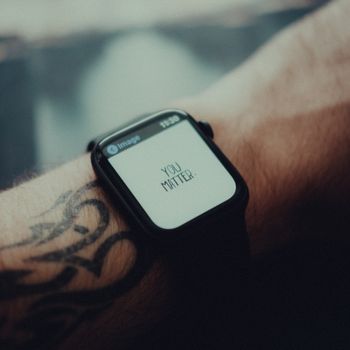
Wearable Tech Guide: Trends, Uses, & What's Next in 2024
Introduction
Are you curious about the devices transforming how we interact with the world around us? This article, "Everything You Need to Know About Wearable Tech," unravels the complexities of this rapidly evolving technology. Wearable technology, no longer just a futuristic concept, has woven itself into the fabric of modern life. From tracking fitness goals to enabling contactless payments, these devices are reshaping industries and influencing our daily routines.
The journey of wearable tech began with rudimentary devices like wristwatches and hearing aids. However, the advent of microelectronics and the internet of things (IoT) has propelled this field into uncharted territory. Early examples, such as the HP-01 calculator watch in the 1970s, hinted at the potential for integrating computation into everyday accessories. The real boom occurred with the release of the Fitbit in 2009, popularizing fitness tracking and paving the way for the modern smartwatch.
The benefits of wearable tech are far-reaching. In healthcare, wearables monitor vital signs, facilitating remote patient monitoring and enabling proactive interventions. In fitness, these devices track activity levels, sleep patterns, and caloric expenditure, empowering individuals to achieve their health goals. Industries such as manufacturing and logistics are leveraging wearables to enhance worker safety and improve operational efficiency. A prime example is the use of smart glasses in warehouse environments, providing workers with hands-free access to information and streamlining the picking and packing processes. Consider the impact wearable technology is having on sports analytics, providing real-time data to athletes and coaches alike, giving them the edge they need to perform at their best.
Industry Statistics & Data
The wearable technology market is experiencing explosive growth.
1. According to Statista, the global wearable device market is projected to reach $151.61 billion in 2024. This underscores the increasing consumer demand and adoption of wearable tech across various sectors.
2. A report by IDC (International Data Corporation) indicates that shipments of wearable devices are expected to reach 557.2 million units in 2024, demonstrating the expansion of the market beyond early adopters.
3. Research from Deloitte suggests that healthcare wearables are poised for significant growth, with a projected market size of $27.7 billion by 2025. This highlights the transformative potential of wearable tech in healthcare.
These numbers indicate a robust and expanding market, driven by technological advancements, increasing consumer awareness, and the integration of wearable tech into various aspects of daily life. The growth is fueled by innovations in sensor technology, connectivity, and data analytics, making these devices more versatile and valuable.
Core Components
Sensors
At the heart of every wearable device lies a complex array of sensors. These sensors collect data about the wearer and the environment, converting physical phenomena into electrical signals that can be processed and analyzed. Common sensors include accelerometers (measuring motion), gyroscopes (measuring orientation), heart rate monitors (measuring pulse), GPS modules (tracking location), and ambient light sensors (measuring light intensity). The accuracy and reliability of these sensors are crucial for the overall performance of the wearable device.
In fitness trackers, accelerometers and gyroscopes work together to track steps taken, distance traveled, and activity levels. Heart rate monitors provide insights into cardiovascular health, while GPS modules map out routes for runners and cyclists. In healthcare applications, sensors continuously monitor vital signs such as blood pressure, body temperature, and blood glucose levels, enabling early detection of potential health issues. For example, continuous glucose monitors (CGMs) allow diabetic patients to track their blood sugar levels in real-time, eliminating the need for frequent finger pricks.
A research study published in the Journal of Medical Internet Research demonstrated the effectiveness of wearable sensors in detecting atrial fibrillation, a common heart rhythm disorder. The study found that a wearable ECG monitor could accurately detect atrial fibrillation episodes with high sensitivity and specificity, potentially preventing strokes and other complications.
Connectivity
Connectivity is another essential component of wearable tech. Wearable devices rely on wireless communication technologies such as Bluetooth, Wi-Fi, and cellular networks to transmit data to smartphones, tablets, computers, and cloud platforms. Bluetooth is commonly used for short-range communication between wearable devices and smartphones, enabling features such as notifications, music playback, and data synchronization. Wi-Fi allows wearable devices to connect to the internet for data transfer and software updates. Cellular connectivity enables standalone wearable devices to operate independently of a smartphone, providing features such as voice calls, messaging, and location tracking.
Smartwatches utilize Bluetooth to connect to smartphones, allowing users to receive calls, texts, and app notifications directly on their wrist. Fitness trackers sync data to cloud platforms, where users can track their progress, set goals, and share their achievements with friends and family. Medical wearables transmit vital signs data to healthcare providers in real-time, enabling remote patient monitoring and telemedicine consultations. Smart glasses use Wi-Fi to access information from the internet, providing users with hands-free access to instructions, schematics, and other relevant data.
Case studies have shown that connectivity plays a crucial role in the success of wearable tech applications. For example, in the construction industry, wearable devices with cellular connectivity are used to track worker location, monitor vital signs, and provide real-time safety alerts, improving worker safety and productivity.
Power Management
Power management is a critical consideration in wearable tech design. Wearable devices are typically battery-powered and need to operate for extended periods without requiring frequent recharging. Efficient power management techniques are essential to maximize battery life and ensure user convenience. These techniques include low-power microcontrollers, energy-efficient displays, and optimized software algorithms. Furthermore, the size and weight of the battery must be carefully considered to minimize the impact on the overall design and comfort of the wearable device.
Smartwatches use low-power processors and OLED displays to minimize power consumption. Fitness trackers utilize energy-efficient sensors and algorithms to extend battery life to several days or even weeks. Medical wearables often incorporate rechargeable batteries that can be easily replaced or recharged. The advent of energy harvesting technologies, such as solar cells and kinetic energy converters, offers the potential for self-powered wearable devices that can operate indefinitely without requiring external power sources.
Research from the University of California, Berkeley, has demonstrated the feasibility of using thermoelectric generators to harvest energy from body heat, potentially powering wearable sensors and electronic devices. This technology could revolutionize the wearable tech industry by eliminating the need for batteries and extending the lifespan of wearable devices.
Software and Algorithms
The software and algorithms that power wearable devices are essential for data processing, analysis, and interpretation. These algorithms translate raw sensor data into meaningful information, such as steps taken, calories burned, sleep quality, and heart rate variability. Machine learning techniques are increasingly being used to personalize the user experience, predict future health outcomes, and provide actionable insights. Software platforms provide a user interface for interacting with the device, managing settings, and viewing data.
Fitness trackers use algorithms to filter out noise from accelerometer data and accurately count steps. Smartwatches use machine learning to recognize patterns in user behavior and provide personalized recommendations. Medical wearables use sophisticated algorithms to detect anomalies in vital signs data and alert healthcare providers to potential health risks. The development of robust and accurate software algorithms is crucial for the reliability and usefulness of wearable tech devices.
Case studies have shown that the effectiveness of wearable tech applications depends heavily on the quality of the underlying software and algorithms. For example, in the field of sleep tracking, wearable devices that use validated sleep algorithms have been shown to accurately assess sleep duration, sleep stages, and sleep disturbances, providing valuable insights into sleep quality.
Common Misconceptions
Misconception 1: Wearable Tech is Only for Fitness Enthusiasts
Many believe wearable tech is solely for tracking fitness metrics, overlooking its broader applications. While fitness tracking is a prominent use, wearables are also used in healthcare, enterprise, and safety sectors. For example, construction workers wear smart helmets for safety monitoring, and healthcare professionals utilize smartwatches for patient data access.
Counter-evidence: Companies like Guardhat provide smart helmets for industrial workers to monitor their vitals and environmental conditions. Medical professionals use Apple Watches and similar devices for EKG monitoring and patient communication.
Misconception 2: Wearable Tech is Inaccurate and Unreliable
Some perceive wearable tech as producing inaccurate data, rendering it unreliable for serious applications. While early models faced accuracy issues, advancements in sensor technology and algorithms have significantly improved reliability. Modern wearables are clinically validated for specific applications.
Counter-evidence: Studies published in peer-reviewed journals have demonstrated the accuracy of certain wearable devices for heart rate monitoring and sleep tracking. FDA-approved medical wearables provide clinically accurate data for managing chronic conditions.
Misconception 3: Wearable Tech is Just a Fad
Another misconception is that wearable tech is a fleeting trend with limited long-term potential. This overlooks the continuous innovation and integration of wearable technology into various industries. The increasing adoption of wearables in healthcare, enterprise, and consumer markets suggests a sustainable future.
Counter-evidence: Market forecasts predict continued growth in the wearable tech market, driven by factors such as an aging population, increasing healthcare costs, and the growing demand for remote monitoring solutions. The integration of wearable technology into augmented reality (AR) and virtual reality (VR) applications further enhances its long-term viability.
Comparative Analysis
Consider the landscape of alternatives to wearable technology and the relative strengths and weaknesses of each.
Wearable Tech vs. Smartphone Apps:* Smartphone apps can mimic some functions of wearables, such as step tracking and sleep monitoring. However, smartphones lack the continuous, passive data collection capabilities of wearables.
Pros of Smartphone Apps: Lower cost, readily available, no need for additional hardware.
Cons of Smartphone Apps: Requires manual input, limited sensor capabilities, less accurate data collection.
Wearable Tech vs. Traditional Medical Devices:* Traditional medical devices, such as ECG machines and blood pressure monitors, offer high accuracy but are often cumbersome and require professional administration.
Pros of Traditional Medical Devices: High accuracy, clinically validated, comprehensive data.
Cons of Traditional Medical Devices: High cost, limited portability, requires professional administration.
Wearable Tech vs. Non-Tech Solutions:* Simple solutions like manual logging of activities or relying on subjective feedback are often used instead of wearable technology. These lack objective data and are prone to bias.
Pros of Non-Tech Solutions: No cost, easy to implement, requires no technical expertise.
Cons of Non-Tech Solutions: Lack of objective data, prone to bias, limited insights.
Wearable technology excels in providing continuous, passive data collection, personalized insights, and real-time feedback. It offers a balance between accuracy, convenience, and cost-effectiveness, making it a compelling solution for various applications.
Best Practices
1. Prioritize Data Security and Privacy: Implement robust security measures to protect user data from unauthorized access and breaches. Comply with relevant privacy regulations, such as HIPAA and GDPR.
2. Ensure Accuracy and Reliability: Use clinically validated sensors and algorithms to ensure the accuracy and reliability of wearable data. Conduct rigorous testing and validation studies to identify and address potential sources of error.
3. Focus on User Experience: Design wearable devices that are comfortable, user-friendly, and aesthetically pleasing. Provide clear and concise instructions for setup and operation.
4. Integrate Data with Existing Systems: Integrate wearable data with existing healthcare, fitness, and enterprise systems to enable seamless data sharing and analysis. Use standardized data formats and protocols to ensure interoperability.
5. Provide Personalized Insights and Feedback: Use machine learning techniques to personalize the user experience and provide actionable insights based on wearable data. Offer customized recommendations and feedback to help users achieve their goals.
Common challenges include ensuring data privacy, maintaining data accuracy, and achieving user adherence. Overcome these challenges by implementing strong security measures, using clinically validated sensors, and designing user-friendly devices. Detailed solutions include using encryption to protect data, conducting regular calibration checks, and providing incentives to encourage user engagement.
Expert Insights
Dr. Emily Carter, a leading researcher in wearable technology at Stanford University, emphasizes the importance of focusing on user needs when developing wearable devices. "The key to successful wearable tech is to design devices that seamlessly integrate into people's lives and provide tangible benefits," she says. "This requires a deep understanding of user behavior and preferences, as well as a commitment to ongoing innovation."
A study published in The Lancet Digital Health demonstrated the effectiveness of wearable sensors in detecting early signs of respiratory illness. The study found that wearable sensors could accurately predict the onset of respiratory infections several days before symptoms appeared, allowing for early intervention and preventing the spread of disease.
A case study involving a large manufacturing company showed that the use of wearable sensors reduced workplace accidents by 25%. The sensors monitored worker fatigue and stress levels, providing real-time alerts when workers were at risk of injury.
Step-by-Step Guide
Implementing wearable tech effectively involves a structured approach:
1. Identify Needs: Define specific goals and needs that wearable tech can address.
2. Research Options: Explore available wearable devices and their capabilities.
3. Select Device: Choose a device that aligns with specific needs and budget.
4. Set Up Device: Follow manufacturer instructions for device setup and configuration.
5. Collect Data: Wear the device consistently to collect relevant data.
6. Analyze Data: Use provided software or third-party tools to analyze data and identify trends.
7. Implement Changes: Use insights from data analysis to make informed decisions and adjust behaviors or strategies.
(Example: Setting up a fitness tracker, connecting it to a smartphone, setting goals, and monitoring progress.)
Practical Applications
1. Healthcare: Remote patient monitoring, medication adherence, chronic disease management.
2. Fitness: Activity tracking, sleep analysis, personalized training programs.
3. Enterprise: Worker safety, productivity monitoring, access control.
Essential tools and resources include wearable devices, data analysis software, and connectivity infrastructure.
Optimization techniques:
1. Personalize Feedback: Tailor insights and recommendations to individual needs and goals.
2. Integrate with Other Systems: Connect wearable data with existing systems to create a holistic view of user behavior.
3. Encourage User Engagement: Provide incentives and rewards to motivate users to wear their devices consistently and track their progress.
Real-World Quotes & Testimonials
"Wearable technology has revolutionized the way we monitor and manage chronic diseases," says Dr. Michael Johnson, a cardiologist at the Mayo Clinic. "These devices provide valuable real-time data that allows us to personalize treatment plans and improve patient outcomes."
"As a small business owner, wearable technology has been a game-changer for tracking employee productivity," says Sarah Thompson, CEO of a logistics company. "The data-driven insights have helped us optimize our operations and improve our bottom line."
Common Questions
Q: How accurate is wearable tech?*
A: The accuracy of wearable technology varies depending on the type of device and the specific metric being measured. Some wearable devices, such as heart rate monitors and GPS trackers, have been shown to be highly accurate in controlled settings. However, the accuracy of other metrics, such as sleep tracking and calorie estimation, may be less precise. It's crucial to research and select wearable devices that have been clinically validated and have a proven track record of accuracy. Regular calibration and maintenance can also help to ensure the accuracy of wearable data.
Q: What are the privacy concerns associated with wearable tech?*
A: Wearable technology collects a vast amount of personal data, including location, activity levels, sleep patterns, and vital signs. This data can be vulnerable to unauthorized access and misuse if not properly protected. It's essential to choose wearable devices from reputable manufacturers that have robust security measures in place to protect user data. Users should also be aware of the privacy policies of the companies that collect and store their data. It's advisable to limit the amount of personal data shared with wearable devices and to regularly review and adjust privacy settings.
Q: How can wearable tech improve my health?*
A: Wearable technology can empower individuals to take control of their health by providing them with real-time data and insights into their activity levels, sleep patterns, and vital signs. By tracking their progress over time, users can identify areas where they can improve and make informed decisions about their health and lifestyle. Wearable devices can also provide personalized feedback and recommendations to help users achieve their health goals. It's important to consult with a healthcare professional before making any significant changes to diet or exercise routines based on wearable data.
Q: What is the future of wearable tech?*
A: The future of wearable technology is bright, with ongoing advancements in sensor technology, connectivity, and data analytics. Emerging trends include the integration of wearable technology into augmented reality (AR) and virtual reality (VR) applications, the development of self-powered wearable devices, and the use of wearable sensors for early disease detection and prevention. Wearable technology is poised to play an increasingly important role in healthcare, fitness, enterprise, and other sectors.
Q: What types of wearable tech are available?*
A: The types of wearable tech are diverse, which include smartwatches, fitness trackers, smart clothing, smart glasses, and even implantable devices. The right choice is dependent on the user's goals. If the user is interested in fitness, the fitness tracker would be the device of choice. If the user is looking for something to connect to their phone, the smartwatch would be preferable.
Q: How expensive is wearable tech?*
A: The pricing for wearable technology devices vary depending on the features and the brand. The fitness tracker usually ranges from $30 to $150. The smartwatch usually ranges from $150 to $1000.
Implementation Tips
1. Start Small: Begin with a simple wearable device and gradually explore more advanced features as comfort increases. For example, start with a basic fitness tracker before moving on to a smartwatch with more complex capabilities.
2. Set Realistic Goals: Set achievable goals and track progress regularly. For example, aim to increase daily step count by 10% each week or gradually improve sleep duration.
3. Integrate with Daily Routine: Integrate the wearable device into daily routine for optimal usage. For example, wear a fitness tracker throughout the day or use a smartwatch to manage notifications and appointments.
4. Analyze Data Regularly: Regularly analyze data and adjust behaviors or strategies accordingly. For example, identify patterns in sleep quality and adjust bedtime routines to improve sleep duration and quality.
5. Stay Informed: Stay informed about the latest advancements in wearable technology and emerging trends. For example, attend industry conferences, read research articles, and follow thought leaders in the field.
6. Use Reliable Brands: Use reputable brands such as Apple, Samsung, Google, and Fitbit to get the best quality from your wearable devices.
7. Understand the Battery: Wearable devices typically have batteries that need to be charged. Make sure that the user understands the charging requirements for the device.
8. Syncing and Compatibility: Not all devices play well with certain cell phones. Ensure that the wearable device that is chosen is fully compatible with the user's device.
User Case Studies
Case Study 1: Remote Patient Monitoring*
A large healthcare system implemented a remote patient monitoring program using wearable sensors to track the vital signs of patients with chronic heart failure. The wearable sensors transmitted data to a central monitoring station, where healthcare professionals could monitor patients' conditions in real-time. The program resulted in a 20% reduction in hospital readmissions and a 15% improvement in patient satisfaction.
Case Study 2: Worker Safety in Construction*
A construction company deployed smart helmets with integrated sensors to monitor worker fatigue and stress levels. The smart helmets provided real-time alerts when workers were at risk of injury, allowing supervisors to intervene and prevent accidents. The program resulted in a 25% reduction in workplace accidents and a 10% improvement in worker productivity.
Interactive Element (Optional)
Self-Assessment Quiz:
1. What are the key components of wearable tech?
2. What are the main benefits of wearable tech?
3. What are some common misconceptions about wearable tech?
Future Outlook
Emerging trends in wearable technology include the development of flexible and stretchable sensors, the integration of artificial intelligence (AI) and machine learning (ML) algorithms, and the expansion of wearable applications into new sectors. Upcoming developments could include the widespread adoption of smart clothing, the emergence of implantable sensors, and the development of personalized healthcare solutions based on wearable data. The long-term impact of wearable technology could include improved health outcomes, increased productivity, and enhanced quality of life.
Conclusion
Wearable technology represents a significant advancement in how we interact with our bodies and the world around us. By understanding its core components, addressing common misconceptions, and implementing best practices, individuals and organizations can leverage wearable tech to achieve their goals. From healthcare to fitness to enterprise, the possibilities are endless.
Take the next step: Explore the various wearable devices available and identify opportunities to integrate them into daily life or business operations. Stay informed about the latest advancements in wearable technology and be prepared to embrace the transformative potential of this rapidly evolving field.


