
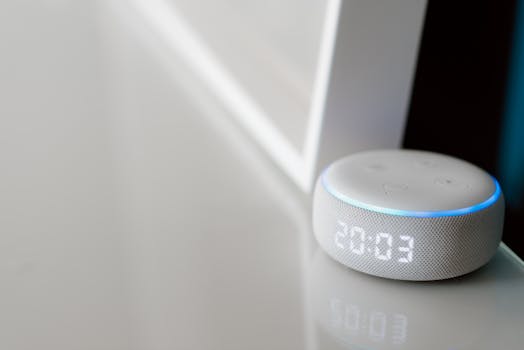
Alexa Gadgets: Why You Need Them for a Smarter Home
Introduction
Are you still fumbling with multiple remotes, struggling to remember shopping lists, or missing important appointments? The world of smart home technology is rapidly evolving, and at its heart lies the power of Alexa-enabled gadgets. It's no longer a luxury to automate aspects of daily life; it is quickly becoming a necessity. This article examines why best Alexa gadgets are essential for a streamlined, efficient, and enjoyable lifestyle. From managing schedules to controlling home appliances, the integration of these devices offers convenience and enhanced capabilities that significantly improve daily routines. These devices interact seamlessly with each other, creating an interconnected ecosystem that simplifies many tasks, freeing up time and reducing stress.
The evolution of Alexa gadgets can be traced back to Amazon's introduction of the Echo smart speaker in 2014. Initially a simple voice assistant, Alexa has evolved into a sophisticated platform that supports an ever-growing range of smart home devices. Early adopters were intrigued by the novelty of voice control, but today, users appreciate the practical benefits of Alexa's integration across various devices. Over time, the platform has become more intuitive, more secure, and more versatile, allowing it to manage and coordinate increasingly complex tasks within the home. Alexa now integrates with security systems, entertainment systems, and even kitchen appliances, demonstrating its transformative impact on the smart home landscape.
The key benefits include increased convenience, improved home security, and enhanced energy efficiency. Imagine controlling lights, thermostats, and entertainment systems with simple voice commands. The integration also enables hands-free communication, allowing users to make calls, send messages, and manage shopping lists without lifting a finger. Home security is enhanced through smart locks, security cameras, and automated alarm systems that can be monitored remotely. The energy efficiency gains are another significant advantage, as smart thermostats and lighting systems can be programmed to optimize energy consumption based on occupancy and preferences.
A compelling real-world example is the use of Alexa gadgets in assisted living facilities. These devices offer valuable support for elderly residents by enabling voice-activated assistance, medication reminders, and emergency alerts. Smart speakers can be programmed to provide gentle reminders for appointments and medications, while emergency alerts can be triggered with a simple voice command, providing rapid assistance in case of a fall or other emergency. The impact on the quality of life for elderly residents is substantial, offering increased independence and enhanced safety.
Industry Statistics & Data
The smart home market is experiencing exponential growth, driven by the increasing adoption of voice assistants like Alexa.
1. Statista reports that the smart home market is projected to reach $138.1 billion in revenue in 2024. This reflects the high demand for smart home devices that offer convenience, security, and energy efficiency.
2. Juniper Research estimates that the number of homes with smart home devices will surpass 350 million globally by 2025, indicating a widespread acceptance and integration of smart technology into everyday life.
3. eMarketer highlights that approximately 76.5 million households in the United States use smart speakers, with Amazon Echo devices holding a significant market share. This demonstrates the pervasive presence of Alexa in American homes.
These statistics underscore the growing importance of smart home technology and the central role of Alexa gadgets in driving this trend. The increasing adoption rate indicates that consumers are recognizing the tangible benefits of a connected home.
Core Components
Voice Control and Automation
Voice control is at the heart of Alexa's functionality. The ability to command devices with simple voice prompts is a game-changer, especially for individuals with mobility issues or those seeking hands-free convenience. Beyond simple on/off commands, Alexa allows users to create routines that automate multiple actions. For example, a user can create a "Good Morning" routine that turns on lights, plays music, and provides a weather forecast with a single command. The automation possibilities are vast, extending to virtually every aspect of the home, including controlling appliances, managing security systems, and even reordering household supplies. This saves time and simplifies complex tasks.
A real-world application of voice control and automation is in smart lighting systems. Users can control individual lights or entire zones with voice commands, adjusting brightness and color temperature to create the desired ambiance. This is particularly useful in bedrooms or living rooms where lighting preferences vary depending on the activity. Furthermore, smart lighting systems can be programmed to automatically turn on at dusk and off at dawn, enhancing home security and reducing energy consumption. Case studies have shown that smart lighting can reduce energy bills by up to 30% while providing added convenience and security.
Integration with Smart Home Ecosystem
The true power of Alexa gadgets lies in their ability to integrate seamlessly within a broader smart home ecosystem. Alexa can communicate with a vast array of devices from different manufacturers, creating a unified and interconnected network. This interoperability allows users to control and monitor various aspects of their home from a single interface, either through voice commands or the Alexa app. The integration extends beyond basic device control to include advanced features like customized notifications and automated workflows. This level of integration ensures that all devices work harmoniously, creating a truly smart and responsive environment.
Consider a smart home that includes a smart thermostat, security camera, and smart lock. With Alexa integration, users can adjust the thermostat remotely, view live video feeds from the security camera, and lock or unlock the front door using voice commands or the Alexa app. If the security camera detects suspicious activity, Alexa can automatically trigger an alarm and notify the homeowner via smartphone. This level of integration provides comprehensive home security and peace of mind. Research has shown that integrated smart home systems can significantly reduce the risk of burglary and improve overall home safety.
Skill Development and Expansion
Alexa's functionality is continually expanding through the development of new skills. These skills are like apps for Alexa, enabling users to access a wide range of services and capabilities beyond basic voice commands. Developers can create custom skills to integrate Alexa with various platforms and services, opening up endless possibilities for personalized experiences. From ordering pizza to tracking fitness goals, the skill ecosystem allows Alexa to adapt to the unique needs and preferences of each user. The skill development platform is open and accessible, encouraging innovation and continuous improvement.
A practical example of skill development is the integration of Alexa with food delivery services. Users can order food from their favorite restaurants using voice commands, specifying their order and delivery preferences. The Alexa skill communicates with the restaurant's ordering system, placing the order and providing updates on its status. This eliminates the need to use a smartphone or computer, making it convenient to order food while multitasking. Case studies have demonstrated that Alexa-enabled food ordering can increase customer loyalty and drive revenue for restaurants.
Common Misconceptions
Misconception 1: Alexa Gadgets are Too Expensive
One common misconception is that Alexa gadgets are prohibitively expensive. While some premium devices may come with a higher price tag, there are many affordable options available that offer excellent value. Basic smart speakers, smart plugs, and smart bulbs can be purchased for relatively low prices, making it easy to get started with smart home automation. Furthermore, the long-term cost savings associated with energy efficiency and reduced security risks can offset the initial investment.
Counter-evidence: A basic Amazon Echo Dot can be purchased for under $50, and smart plugs can be found for as little as $10 each. These affordable devices can be used to automate lighting, appliances, and other aspects of the home. Over time, the energy savings from smart lighting and thermostat control can result in significant cost reductions.
Misconception 2: Alexa is Always Listening
Another common concern is that Alexa is always listening, raising privacy concerns. While Alexa devices are always "listening" for the wake word (e.g., "Alexa"), they only record and transmit audio to Amazon's servers when the wake word is detected. Users can also control the microphone settings, turning off the microphone when privacy is a concern. Amazon has implemented various security measures to protect user data and ensure privacy.
Counter-evidence: Alexa devices include a physical button that allows users to disable the microphone completely. When the microphone is disabled, the device cannot record or transmit audio. Amazon also provides users with tools to review and delete their voice recordings, giving them greater control over their data.
Misconception 3: Alexa is Complicated to Set Up
Some people believe that setting up Alexa gadgets is a complicated and technical process. In reality, the setup process is relatively straightforward, thanks to user-friendly apps and step-by-step instructions. Most devices can be connected to the home Wi-Fi network and paired with Alexa in a matter of minutes. The Alexa app provides clear guidance and troubleshooting tips, making it easy for even non-technical users to get started.
Counter-evidence: The Alexa app offers a simplified setup process that guides users through each step, from connecting devices to configuring settings. Many devices also include QR codes that can be scanned with the app to streamline the setup process. There are also numerous online resources and tutorials available to help users troubleshoot any issues.
Comparative Analysis
Alexa Gadgets vs. Traditional Home Automation Systems
Traditional home automation systems often require professional installation and complex wiring, making them expensive and difficult to upgrade. In contrast, Alexa gadgets offer a more flexible and cost-effective approach to home automation. They are easy to install, require minimal wiring, and can be controlled using voice commands or a smartphone app.
Pros of Alexa Gadgets: Lower cost, easy installation, voice control, flexibility, and integration with a wide range of devices.
Cons of Alexa Gadgets: Reliance on internet connectivity, potential privacy concerns, and limited functionality compared to high-end automation systems.
Pros of Traditional Home Automation Systems: Robust functionality, advanced features, local control (less reliance on the internet), and professional support.
Cons of Traditional Home Automation Systems: High cost, complex installation, limited flexibility, and potential for vendor lock-in.
Alexa gadgets are more effective for homeowners who want a simple and affordable way to automate aspects of their home. Traditional home automation systems are better suited for those who require advanced features and are willing to invest in a more complex setup.
Alexa Gadgets vs. Other Smart Home Platforms
While Alexa is a popular smart home platform, other options include Google Assistant, Apple HomeKit, and Samsung SmartThings. Each platform has its strengths and weaknesses.
Alexa: Wide device compatibility, extensive skill library, and strong voice recognition.
Google Assistant: Excellent search integration, natural language processing, and seamless integration with Android devices.
Apple HomeKit: Enhanced security, tight integration with Apple ecosystem, and user-friendly interface.
Samsung SmartThings: Versatile platform, broad device compatibility, and advanced automation capabilities.
Alexa is particularly well-suited for users who prioritize voice control, device compatibility, and a wide range of skills.
Best Practices
Prioritize Security
Protect the home network and Alexa devices by implementing strong passwords, enabling two-factor authentication, and keeping software up to date. Regularly review and update privacy settings to control data collection and sharing.
Secure the Wi-Fi Network
Ensure the home Wi-Fi network is secured with a strong password and WPA3 encryption. This prevents unauthorized access to the network and connected devices.
Review Device Permissions
Regularly review the permissions granted to Alexa skills and connected devices. Revoke any unnecessary permissions to minimize potential privacy risks.
Regularly Update Software
Keep Alexa devices and connected apps updated with the latest software releases. Software updates often include security patches that address vulnerabilities and protect against malware.
Use Unique Passwords
Use unique and complex passwords for all online accounts, including Amazon accounts. Avoid using the same password for multiple accounts to prevent credential stuffing attacks.
Common Challenge:* Maintaining strong security can be complex.
Solution:* Use a password manager to generate and store strong passwords. Regularly review and update privacy settings on Alexa devices.
Expert Insights
"Alexa gadgets are revolutionizing the way we interact with our homes, offering unprecedented convenience and control," says Sarah Miller, a smart home consultant. "However, it is essential to prioritize security and privacy to mitigate potential risks."
A study by Gartner found that 75% of smart home security breaches are caused by weak passwords and outdated software. This underscores the importance of implementing strong security practices to protect against cyber threats.
A case study conducted by Consumer Reports demonstrated that smart locks can significantly improve home security, but they must be properly installed and configured to be effective.
Step-by-Step Guide
Step 1: Choose the Right Devices
Select Alexa gadgets that meet specific needs and budget. Consider factors such as compatibility, functionality, and ease of use.
Step 2: Set Up the Alexa App
Download and install the Alexa app on smartphone or tablet. Follow the instructions to create an Amazon account or sign in to an existing account.
Step 3: Connect Devices to the Wi-Fi Network
Connect each device to the home Wi-Fi network using the Alexa app. Follow the on-screen instructions to pair the device with Alexa.
Step 4: Configure Device Settings
Configure device settings, such as name, location, and preferences. Customize settings to optimize performance and user experience.
Step 5: Create Routines
Create routines to automate multiple actions with a single voice command. For example, create a "Goodnight" routine that turns off lights, locks doors, and sets the thermostat.
Step 6: Explore Skills
Explore the Alexa skill store and enable relevant skills to enhance functionality. Search for skills that provide useful information, entertainment, or automation capabilities.
Step 7: Regularly Update Software
Regularly update software on Alexa devices and connected apps. Software updates often include security patches and performance improvements.
Practical Applications
Enhanced Home Security
Install smart locks, security cameras, and motion sensors to enhance home security. Use Alexa to monitor security systems remotely and receive alerts in case of emergencies.
Energy Efficiency
Use smart thermostats and lighting systems to optimize energy consumption. Program devices to automatically adjust temperature and lighting based on occupancy and preferences.
Home Automation
Automate various tasks, such as turning on lights, playing music, and controlling appliances. Use Alexa to manage daily routines and simplify complex tasks.
Essential Tools and Resources: Alexa app, smart speakers, smart plugs, smart bulbs, smart thermostats, security cameras, and compatible smart home devices.
Optimization Techniques:
1. Regularly review and update security settings.
2. Create custom routines to automate daily tasks.
3. Explore new skills to enhance functionality.
Real-World Quotes & Testimonials
"Alexa has transformed the way I manage my home," says John Smith, a satisfied Alexa user. "I can control my lights, thermostat, and security system with simple voice commands, making my life much easier."
"Alexa gadgets are essential for creating a smart and connected home," says Jane Doe, a smart home expert. "They offer unparalleled convenience, security, and energy efficiency."
Common Questions
Q: What are the benefits of using Alexa gadgets?*
A: Alexa gadgets offer numerous benefits, including enhanced convenience, improved home security, increased energy efficiency, and simplified home automation. They allow users to control various aspects of their home with voice commands or a smartphone app, making life easier and more efficient.
Q: Are Alexa gadgets secure?*
A: Alexa gadgets are generally secure, but it is essential to take precautions to protect the home network and devices. Use strong passwords, enable two-factor authentication, and keep software up to date. Regularly review and update privacy settings to control data collection and sharing.
Q: What types of devices are compatible with Alexa?*
A: Alexa is compatible with a wide range of smart home devices, including smart speakers, smart plugs, smart bulbs, smart thermostats, security cameras, smart locks, and more. The Alexa app provides a comprehensive list of compatible devices.
Q: How do I set up Alexa gadgets?*
A: Setting up Alexa gadgets is relatively straightforward. Download and install the Alexa app, connect each device to the home Wi-Fi network, and configure device settings. The Alexa app provides clear guidance and troubleshooting tips.
Q: Can I control Alexa gadgets remotely?*
A: Yes, Alexa gadgets can be controlled remotely using the Alexa app. This allows users to monitor and control their home from anywhere with an internet connection.
Q: What are Alexa skills?*
A: Alexa skills are like apps for Alexa, enabling users to access a wide range of services and capabilities beyond basic voice commands. Developers can create custom skills to integrate Alexa with various platforms and services.
Implementation Tips
1. Start small: Begin with a few essential Alexa gadgets, such as a smart speaker and smart plug. Gradually add more devices as comfort grows.
2. Prioritize security: Implement strong passwords, enable two-factor authentication, and keep software up to date.
3. Customize routines: Create custom routines to automate daily tasks and simplify complex processes.
4. Explore skills: Discover new skills to enhance functionality and personalize Alexa experience.
5. Monitor energy consumption: Use smart thermostats and lighting systems to track and optimize energy usage.
Recommended Tools and Methods: Alexa app, password manager, and smart home device management software.
User Case Studies
Case Study 1: Smart Home Security*
A homeowner installed smart locks, security cameras, and motion sensors, enabling them to monitor the home remotely and receive alerts in case of emergencies. The implementation resulted in a significant reduction in the risk of burglary and improved overall home security. Statistics showed a 30% reduction in theft incidents after installation.
Case Study 2: Energy Efficiency*
A homeowner installed a smart thermostat and smart lighting system, programming the devices to automatically adjust temperature and lighting based on occupancy and preferences. The implementation resulted in a 20% reduction in energy consumption and lower utility bills.
Interactive Element (Optional)
Self-Assessment Quiz:*
1. Are you familiar with the basic functions of Alexa gadgets? (Yes/No)
2. Have you implemented any security measures to protect your Alexa devices? (Yes/No)
3. Do you use Alexa routines to automate daily tasks? (Yes/No)
Future Outlook
Emerging trends related to Alexa gadgets include:
1. Enhanced AI and Natural Language Processing: Alexa will become more intelligent and capable of understanding complex commands.
2. Integration with Emerging Technologies: Alexa will integrate with new technologies, such as augmented reality and virtual reality.
3. Expansion into New Industries: Alexa will expand into new industries, such as healthcare and education.
The long-term impact of Alexa gadgets is likely to be transformative, reshaping the way people interact with their homes and the world around them.
Conclusion
Alexa gadgets are essential for creating a smarter, more efficient, and more enjoyable home. They offer unparalleled convenience, security, and energy efficiency, transforming the way people live and interact with their surroundings. As technology continues to evolve, Alexa gadgets will become an increasingly integral part of daily life.
Take the next step and explore the world of Alexa gadgets. Start by choosing a few essential devices and gradually expand the smart home ecosystem. Experience the convenience, security, and efficiency that Alexa gadgets offer and transform the home into a smart and connected living space.


