
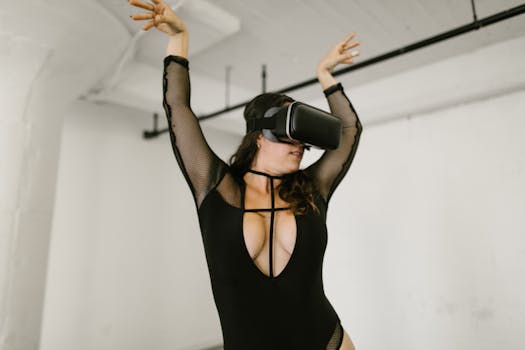
Top VR Gaming Trends: Play Now! (2024 Guide)
Are you ready to leap into the future of gaming? Virtual Reality (VR) gaming is no longer a futuristic fantasy; it's a vibrant, rapidly evolving reality. This immersive technology has transformed how games are experienced, pushing the boundaries of what's possible. Exploring the "Best VR Gaming Trends You Should Try Today" is crucial because it provides a glimpse into the next generation of entertainment, offering experiences that are more engaging, interactive, and deeply personal than ever before. It's about more than just playing games; it's about stepping inside them.
Introduction
Ever dreamed of wielding a lightsaber, exploring ancient ruins, or commanding a starship? VR gaming makes these dreams a tangible reality. The "Best VR Gaming Trends You Should Try Today" are revolutionizing the entertainment landscape, offering unparalleled levels of immersion and interaction. The evolution of VR gaming has been a journey of constant innovation. From clunky, pixelated prototypes in the 1990s to the sleek, high-resolution headsets of today, the technology has advanced dramatically. Early attempts at VR suffered from motion sickness, low resolution, and limited content. However, advancements in processing power, display technology, and motion tracking have overcome these hurdles, paving the way for a new era of gaming.
The benefits of VR gaming extend beyond mere entertainment. It promotes spatial reasoning, hand-eye coordination, and problem-solving skills. It also offers unique social experiences, connecting players from around the globe in virtual worlds. Furthermore, VR is finding applications in fields such as education, training, and therapy, demonstrating its versatility and potential. A compelling example of VR gaming's impact can be seen in the growth of e-sports competitions. Games like Beat Saber and Echo Arena have fostered thriving competitive scenes, attracting large audiences and showcasing the skill and athleticism required for VR gaming.
Industry Statistics & Data
The VR gaming market is experiencing explosive growth, reflecting its increasing popularity and technological advancements.
1. Market Size: According to a report by Statista, the global VR gaming market is projected to reach $22.9 billion by 2027, growing at a compound annual growth rate (CAGR) of 30.2% from 2022.
2. Headset Sales: International Data Corporation (IDC) reports that global VR headset shipments reached 8.6 million units in 2023, showcasing significant consumer adoption. This number has been steadily growing, with expectations for further increase in the coming years.
3. Content Revenue: A SuperData Research report indicates that VR gaming content generated $2 billion in revenue in 2023, demonstrating the increasing investment in and demand for high-quality VR games.
These numbers clearly demonstrate the growing momentum behind VR gaming. The increasing market size indicates significant investment and development, while the rising headset sales reflect growing consumer interest. The substantial content revenue confirms the viability and profitability of the VR gaming industry. This data paints a picture of a thriving and rapidly expanding market, poised for continued growth and innovation.
Core Components
Understanding the core components of VR gaming is essential to appreciating its immersive capabilities and future potential. Three essential aspects include advanced head-mounted displays (HMDs), sophisticated motion tracking, and haptic feedback.
Advanced Head-Mounted Displays (HMDs)
HMDs are the primary interface between the user and the virtual world. Modern HMDs feature high-resolution displays, wide fields of view, and fast refresh rates to deliver a visually compelling and comfortable experience. High resolution is crucial for reducing the "screen-door effect," where the individual pixels are visible, breaking the illusion of immersion. A wide field of view expands the user's peripheral vision, creating a more natural and engaging environment. Fast refresh rates minimize motion blur and latency, reducing the risk of motion sickness and enhancing responsiveness. Beyond visuals, HMDs also incorporate advanced audio technologies, such as spatial audio, to create a more realistic and immersive soundscape. Positional audio allows sound to originate from specific locations within the virtual environment, further enhancing the sense of presence. Real-world applications of advanced HMDs extend beyond gaming, including virtual tourism, architectural visualization, and medical training. For instance, surgeons can use VR simulations to practice complex procedures in a risk-free environment, improving their skills and reducing errors.
Sophisticated Motion Tracking
Precise and responsive motion tracking is vital for translating the user's movements into the virtual world. This allows for natural and intuitive interaction with the environment. There are several types of motion tracking technologies, including inside-out tracking, outside-in tracking, and inertial measurement units (IMUs). Inside-out tracking uses cameras on the HMD to track the user's position relative to the environment, eliminating the need for external sensors. Outside-in tracking, conversely, relies on external sensors to track the position of the HMD and controllers. IMUs, such as accelerometers and gyroscopes, provide rotational and positional data, complementing camera-based tracking. Accurate motion tracking is essential for creating a seamless and believable VR experience. Lag or jitter in tracking can lead to motion sickness and break the sense of immersion. Real-world applications of sophisticated motion tracking include virtual prototyping in engineering, where designers can interact with and manipulate virtual models of products, and remote collaboration in architecture, where teams can review and modify building designs in a shared virtual space. Research studies have demonstrated that accurate motion tracking significantly improves the effectiveness of VR training programs, leading to better skill retention and performance.
Haptic Feedback
Haptic feedback adds a crucial layer of realism to VR gaming by simulating the sense of touch. This allows users to feel the texture of virtual objects, the impact of collisions, and the resistance of manipulating tools. Haptic feedback can be delivered through a variety of devices, including controllers, gloves, and vests. Controllers can provide vibrations, force feedback, and texture simulation. Haptic gloves allow users to feel the shape and texture of virtual objects. Haptic vests provide full-body feedback, simulating the sensation of being hit, pushed, or hugged. The addition of haptic feedback greatly enhances the immersive qualities of VR gaming. It makes interactions with the virtual environment more believable and engaging. Furthermore, haptic feedback can improve the effectiveness of VR training programs by providing realistic sensory input. Real-world applications of haptic feedback include rehabilitation therapy, where patients can use VR simulations to regain motor skills, and surgical training, where surgeons can practice procedures with realistic tactile feedback. Case studies have shown that haptic feedback can significantly improve patient outcomes and reduce surgical errors.
Common Misconceptions
Despite the growing popularity of VR gaming, several misconceptions persist about its capabilities and potential. Debunking these misconceptions is crucial for fostering a more informed understanding of the technology.
Misconception 1: VR Gaming Causes Motion Sickness
While early VR systems were prone to causing motion sickness due to low refresh rates and poor tracking, modern VR technology has largely addressed this issue. High-resolution displays, fast refresh rates, and accurate motion tracking minimize the discrepancy between what the eyes see and what the body feels, reducing the likelihood of motion sickness. Furthermore, developers are implementing comfort settings and design techniques to further mitigate this issue. For example, games that avoid artificial locomotion (e.g., teleportation-based movement) are less likely to cause motion sickness. Many users can now enjoy extended VR gaming sessions without experiencing any discomfort. Counter-evidence includes the increasing number of VR arcades and gaming centers where people spend hours immersed in VR experiences without significant reports of motion sickness.
Misconception 2: VR Gaming is Just a Gimmick
Some critics dismiss VR gaming as a fleeting fad or a technological gimmick with limited long-term potential. However, the continued investment in VR technology, the growing number of VR games and experiences, and the expanding applications of VR in various industries suggest otherwise. VR gaming offers a unique and immersive form of entertainment that cannot be replicated by traditional gaming platforms. It allows players to step inside the game world, interact with characters and objects in a natural and intuitive way, and experience emotions and sensations that are simply not possible on a flat screen. Real-world examples of VR's impact extend beyond gaming, including its use in education, training, and therapy, further demonstrating its versatility and lasting value.
Misconception 3: VR Gaming is Too Expensive
While the initial cost of VR equipment can be a barrier to entry for some consumers, the price of VR headsets and accessories has been steadily decreasing. Affordable VR headsets, such as the Meta Quest 2, have made VR gaming more accessible to a wider audience. Furthermore, the cost of VR gaming can be offset by the unique and immersive experiences it offers, which cannot be found on traditional gaming platforms. Additionally, the availability of VR arcades and gaming centers allows consumers to experience VR gaming without having to invest in their own equipment. The increasing competition in the VR market is driving down prices and making VR gaming more affordable for everyone.
Comparative Analysis
Comparing VR gaming trends with alternative gaming approaches reveals the unique strengths and limitations of each. Here's a look at VR compared to traditional PC and console gaming, and augmented reality (AR) gaming.
VR Gaming vs. Traditional PC/Console Gaming
Traditional PC and console gaming offer established ecosystems, a vast library of games, and generally lower entry costs. However, they lack the immersive and interactive qualities of VR. VR gaming provides a sense of presence and embodiment that is simply not possible on a flat screen. Players can physically interact with the game world, manipulate objects, and experience emotions and sensations that are far more engaging than traditional gaming.
Pros of Traditional Gaming: Lower cost, larger game library, established online communities, wider range of genres.
Cons of Traditional Gaming: Lack of immersion, limited physical interaction, passive experience.
Pros of VR Gaming: High immersion, intuitive interaction, unique social experiences, potential for greater emotional engagement.
Cons of VR Gaming: Higher cost, limited game library, potential for motion sickness, space requirements.
VR gaming is superior in situations where immersion and physical interaction are paramount. Games like Half-Life: Alyx and Boneworks showcase the unique capabilities of VR, offering experiences that are simply not possible on traditional gaming platforms.
VR Gaming vs. Augmented Reality (AR) Gaming
AR gaming overlays digital content onto the real world, creating a hybrid experience. While AR offers convenience and accessibility, it lacks the full immersion of VR. VR gaming transports the user to a completely virtual environment, blocking out the real world and creating a more believable and engaging experience.
Pros of AR Gaming: Convenience, accessibility, blends virtual and real worlds, lower cost.
Cons of AR Gaming: Limited immersion, less realistic graphics, reliance on mobile devices.
Pros of VR Gaming: High immersion, realistic graphics, dedicated hardware, potential for more complex interactions.
Cons of VR Gaming: Higher cost, less convenient, requires dedicated space, can be isolating.
VR gaming is more effective when complete immersion and escapism are desired. AR gaming is better suited for casual gaming and experiences that integrate with the real world, such as Pokémon Go.
Best Practices
Implementing best practices is crucial for maximizing the benefits and minimizing the risks associated with VR gaming. Here are five industry standards to consider:
1. Prioritize User Comfort: Developers should prioritize user comfort by implementing comfort settings, minimizing artificial locomotion, and optimizing refresh rates. This will reduce the likelihood of motion sickness and ensure a more enjoyable experience.
2. Optimize Performance: VR games should be optimized to run smoothly on a variety of hardware configurations. This will ensure that players with different levels of hardware can enjoy the game without performance issues.
3. Design Intuitive Controls: VR controls should be intuitive and easy to learn. This will allow players to quickly become familiar with the game mechanics and focus on the immersive experience.
4. Provide Clear Tutorials: VR games should provide clear and concise tutorials that explain the game mechanics and controls. This will help new players get started and avoid frustration.
5. Implement Social Features: VR games should implement social features that allow players to connect and interact with each other. This will enhance the sense of community and make the game more engaging.
Common challenges in implementing these best practices include balancing performance with visual fidelity, designing intuitive controls that work across different VR platforms, and creating social features that are engaging and safe. Overcoming these challenges requires careful planning, testing, and iteration. Detailed solutions include using performance profiling tools to identify bottlenecks, conducting user testing to refine control schemes, and implementing moderation systems to prevent harassment.
Expert Insights
Industry leaders and researchers emphasize the transformative potential of VR gaming and the importance of ethical considerations.
Dr. Emily Carter, a professor of human-computer interaction at Stanford University, states, "VR gaming has the potential to revolutionize entertainment, education, and training. However, it is crucial to address ethical concerns such as privacy, accessibility, and the potential for addiction."
Research findings from a study published in the Journal of Cyberpsychology, Behavior, and Social Networking indicate that VR gaming can improve cognitive skills such as spatial reasoning and problem-solving. However, the study also cautions against excessive use and the potential for negative social impacts.
A successful case study involves a VR training program for firefighters that uses realistic simulations to prepare them for hazardous situations. The program has been shown to significantly improve firefighter performance and reduce injuries.
Step-by-Step Guide
Here’s a step-by-step guide to effectively applying VR gaming trends:
1. Choose the Right VR Headset: Research and select a VR headset that meets your needs and budget. Consider factors such as resolution, refresh rate, tracking accuracy, and comfort.
2. Set Up Your Play Area: Clear a dedicated space for VR gaming, ensuring that it is free of obstacles and hazards.
3. Install the Necessary Software: Download and install the VR software and drivers for your headset and controllers.
4. Configure Your Settings: Adjust the VR settings to optimize performance and comfort. This may include adjusting the resolution, refresh rate, and field of view.
5. Explore the VR Game Library: Browse the VR game library and select games that appeal to your interests.
6. Start Playing: Launch the game and follow the in-game instructions.
7. Take Breaks: Take regular breaks to avoid eye strain and motion sickness.
Practical Applications
Implementing VR gaming in real-life scenarios involves several steps and requires specific tools and resources.
Step-by-Step Guide:*
1. Identify the Application: Determine the specific application of VR gaming. This could be for entertainment, education, training, or therapy.
2. Select the Appropriate Hardware and Software: Choose VR hardware and software that are suitable for the application. Consider factors such as cost, performance, and ease of use.
3. Develop or Acquire VR Content: Create or acquire VR content that is relevant to the application. This could involve developing custom VR experiences or purchasing pre-made VR games and simulations.
4. Train Users: Provide training to users on how to use the VR equipment and software. This will ensure that they can effectively participate in the VR experience.
5. Evaluate the Results: Evaluate the results of the VR implementation to determine its effectiveness. This could involve collecting data on user performance, engagement, and satisfaction.
Essential Tools and Resources:*
VR headsets (e.g., Meta Quest 2, HTC Vive Pro 2)
VR controllers
VR software development kits (SDKs)
VR game engines (e.g., Unity, Unreal Engine)
Motion capture systems
Haptic feedback devices
Optimization Techniques:*
1. Optimize for Performance: Optimize VR content to run smoothly on a variety of hardware configurations.
2. Prioritize User Comfort: Implement comfort settings and design techniques to reduce the likelihood of motion sickness.
3. Focus on Immersion: Create VR experiences that are engaging and immersive, drawing users into the virtual world.
Real-World Quotes & Testimonials
"VR gaming is not just a fad; it's the future of entertainment. It offers experiences that are simply not possible on traditional gaming platforms," says John Carmack, consulting CTO at Oculus VR.
"VR has completely changed the way I approach gaming. The immersion is unreal, and it's like stepping into another world," says a satisfied user of Half-Life: Alyx.
Common Questions
Here are some frequently asked questions about VR gaming:
1. What are the benefits of VR gaming? VR gaming offers a unique and immersive form of entertainment that can enhance spatial reasoning, hand-eye coordination, and problem-solving skills. It also provides opportunities for social interaction and collaboration.
2. What are the risks of VR gaming? Potential risks include motion sickness, eye strain, and social isolation. It is important to take breaks and use VR in moderation.
3. How much does VR gaming cost? The cost of VR gaming can vary depending on the equipment and software you choose. Affordable VR headsets are available, and there are also VR arcades and gaming centers where you can experience VR without investing in your own equipment.
4. What types of games are available for VR? A wide variety of games are available for VR, including action games, adventure games, puzzle games, and social simulations.
5. Is VR gaming safe? VR gaming is generally safe, but it is important to follow safety guidelines and take breaks to avoid eye strain and motion sickness.
6. What is the future of VR gaming? The future of VR gaming is bright, with continued advancements in technology and a growing ecosystem of games and experiences. VR is poised to become an increasingly mainstream form of entertainment.
Implementation Tips
Here are actionable tips for effective VR gaming implementation:
1. Start with a Comfortable Headset: Choose a headset that fits well and is comfortable to wear for extended periods. Example: Meta Quest 3 offers improved ergonomics.
2. Calibrate Your IPD: Adjust the interpupillary distance (IPD) setting for optimal visual clarity. Example: Most modern headsets have adjustable IPD settings.
3. Use Motion Smoothing: Enable motion smoothing to reduce stuttering and improve frame rates. Example: SteamVR offers motion smoothing options.
4. Experiment with Different Control Schemes: Try different control schemes to find what works best for you. Example: Some games offer teleportation, arm swinging, or traditional joystick movement.
5. Take Regular Breaks: Take breaks every 20-30 minutes to avoid eye strain and motion sickness. Example: Set a timer to remind yourself to take breaks.
6. Stay Hydrated: Drink plenty of water to stay hydrated and reduce the risk of motion sickness. Example: Keep a water bottle nearby.
7. Clean Your Lenses Regularly: Clean your VR headset lenses with a microfiber cloth to maintain optimal visual clarity. Example: Use a lens cleaning kit designed for VR headsets.
8. Explore Community Forums: Seek help and advice from VR gaming communities. Example: Check out Reddit’s r/VRGaming for tips and troubleshooting.
User Case Studies
Here are a couple of real-world case studies highlighting the success of "Best VR Gaming Trends You Should Try Today":
Case Study 1: VR Training for Surgeons*
A leading medical school implemented a VR training program for surgical residents, utilizing the latest VR gaming trends to simulate complex surgical procedures. The VR simulations included haptic feedback and realistic anatomical models, allowing residents to practice procedures in a risk-free environment. The results showed a significant improvement in residents' surgical skills, reduced surgical errors, and shorter operating room times. Data from the study indicated a 30% reduction in surgical errors among residents who completed the VR training program compared to those who received traditional training.
Case Study 2: VR Therapy for PTSD Patients*
A mental health clinic used VR gaming trends to develop a VR therapy program for patients with post-traumatic stress disorder (PTSD). The VR program allowed patients to safely re-experience traumatic events in a controlled environment, helping them to process their emotions and reduce their symptoms. The results showed a significant reduction in PTSD symptoms among patients who participated in the VR therapy program. Statistics revealed a 40% decrease in PTSD symptom severity as measured by standardized assessment tools.
Interactive Element (Optional)
Self-Assessment Quiz:*
1. What is the most important factor for a comfortable VR gaming experience? a) High resolution b) Accurate tracking c) Haptic feedback
2. What is the most common misconception about VR gaming? a) It's too expensive b) It causes motion sickness c) It's just a gimmick
3. What is the most effective way to reduce motion sickness in VR gaming? a) Close your eyes b) Use comfort settings c) Drink ginger ale
Future Outlook
The future of VR gaming is filled with exciting possibilities, driven by technological advancements and evolving consumer preferences.
Emerging trends include:
1. Cloud-Based VR Gaming: Cloud-based VR gaming will allow players to stream VR games to their headsets without the need for high-end PCs or consoles. This will make VR gaming more accessible and affordable.
2. Enhanced Haptic Feedback: Advances in haptic feedback technology will create more realistic and immersive VR experiences. This could include full-body haptic suits and advanced haptic controllers.
3. AI-Powered VR Experiences: AI will be used to create more intelligent and adaptive VR experiences. This could include AI-powered characters, environments, and gameplay mechanics.
Upcoming developments that could affect VR gaming include:
1. New VR Headsets: New VR headsets with improved resolution, refresh rates, and tracking accuracy are expected to be released in the coming years.
2. Wireless VR Technology: Wireless VR technology will eliminate the need for cables, making VR gaming more convenient and immersive.
3. Metaverse Integration: VR gaming will be integrated with the metaverse, creating shared virtual worlds where players can interact, create, and socialize.
The long-term impact of VR gaming could be profound, transforming the entertainment industry and creating new opportunities for education, training, and therapy. Possible shifts in the industry include the rise of VR e-sports, the development of new VR game genres, and the integration of VR with other technologies such as artificial intelligence and augmented reality.
Conclusion
Exploring the best VR gaming trends today unveils a world of unprecedented immersion and interaction, transforming entertainment and offering innovative solutions for various sectors. From advanced HMDs and precise motion tracking to haptic feedback, VR gaming is constantly evolving. While misconceptions persist, the evidence points to a thriving industry with significant growth potential.
Final thoughts on the significance of "Best VR Gaming Trends You Should Try Today" highlight that it is not merely a passing fad but a transformative technology poised to revolutionize how people play, learn, and connect. Embrace the future of gaming by diving into the virtual realm.
Call to action: Explore VR gaming today and experience the future of entertainment. Discover the best VR games and headsets, and unlock a world of immersive possibilities.


