
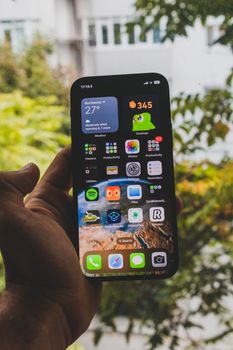
Productivity Revolution: Best Apps Changing the Game
Are you struggling to keep up with the demands of modern life? Productivity apps have emerged as powerful tools, reshaping how individuals and organizations manage their time, tasks, and workflows. The impact of these apps is far-reaching, influencing everything from personal time management to large-scale project execution. By understanding how these best productivity apps function and how to leverage their features effectively, one can unlock unparalleled levels of efficiency and achieve goals with greater ease. This article will explore the core components, benefits, and best practices associated with this game-changing trend, illustrating how it is transforming productivity in various aspects of life.
Introduction
Imagine a world where chaos transforms into order, and overwhelming workloads become manageable tasks. This is the promise that the proliferation of productivity apps offers. But how are these apps truly changing the game? Productivity apps are software applications designed to enhance individual and team efficiency by streamlining processes, automating tasks, and providing tools for better organization and collaboration. The evolution of these apps has mirrored the advancements in technology, starting from basic to-do lists to sophisticated platforms integrating project management, communication, and data analysis.
The importance of 'How Best Productivity Apps is Changing the Game' lies in their ability to address the challenges of an increasingly complex and fast-paced world. They provide solutions for managing distractions, prioritizing tasks, and coordinating team efforts, ultimately leading to increased output and reduced stress. The benefits extend beyond individual productivity, positively impacting business outcomes such as increased profitability and enhanced customer satisfaction.
Historically, productivity techniques relied heavily on manual processes such as paper-based planners and face-to-face meetings. The advent of computers and the internet allowed for the development of digital calendars and email systems. However, the rise of smartphones and cloud computing has led to an explosion of productivity apps, offering features like task management, note-taking, time tracking, and project collaboration. A real-world example is the use of project management apps by construction companies to coordinate subcontractors, track material deliveries, and manage project timelines, resulting in significant cost savings and improved project completion rates.
Industry Statistics & Data
The impact of productivity apps is evident in various industry statistics:
1. A study by Statista found that the global productivity management software market is projected to reach $67.78 billion in 2024. This highlights the significant investment companies are making in tools designed to improve workforce output.
2. According to a report by FinancesOnline, companies that utilize project management software experience a 28% increase in employee productivity. This illustrates the tangible benefits of using dedicated apps to manage team projects.
3. Research from Forrester indicates that employees using mobile productivity apps save an average of 5.8 hours per week. This time savings translates to increased efficiency and potentially lower labor costs.
These numbers clearly indicate a growing reliance on and investment in productivity apps across various industries. The statistics demonstrate a direct correlation between the adoption of these apps and improvements in productivity, efficiency, and overall business outcomes.
Core Components
There are several core components that contribute to the effectiveness of productivity apps:
Task Management
Task management is the cornerstone of most productivity apps. It involves breaking down large goals into smaller, manageable tasks, assigning deadlines, and tracking progress. Features such as to-do lists, kanban boards, and Gantt charts are commonly used to visualize and manage tasks effectively. The application of task management extends from personal use, like managing household chores and errands, to professional settings where project teams coordinate complex deliverables. A case study involving a marketing team using a task management app revealed a 40% reduction in project completion time due to improved clarity and accountability.
Time Tracking
Time tracking features allow users to monitor how they spend their time, identifying time-wasting activities and optimizing their schedules. These apps often provide detailed reports on time spent on specific tasks, projects, or clients, enabling informed decision-making about resource allocation and workflow optimization. Freelancers and consultants frequently use time tracking apps to accurately bill clients and analyze their productivity patterns. Research has shown that individuals who track their time are more likely to identify and eliminate distractions, leading to a significant increase in focused work time. Time tracking can also be helpful in understanding the time needed to complete a specific project, which in turn can improve accuracy for future project estimations.
Collaboration Tools
Many productivity apps incorporate collaboration tools to facilitate seamless teamwork. These tools may include shared calendars, document sharing, instant messaging, and video conferencing. By centralizing communication and collaboration within a single platform, teams can avoid the inefficiencies of relying on multiple email threads and disparate messaging apps. Real-world examples include software development teams using project management apps to collaborate on code, track bug fixes, and manage releases. Case studies demonstrate that teams using collaborative productivity apps experience improved communication, reduced errors, and faster project turnaround times.
Note-Taking and Information Management
Effective note-taking and information management are crucial for productivity. Productivity apps that offer note-taking functionalities allow users to capture ideas, organize information, and access it quickly when needed. Features like tagging, search, and cross-linking enable efficient retrieval of relevant information. Students, writers, and researchers rely heavily on these features to organize their notes, research materials, and project outlines. Furthermore, some note-taking apps have integrated features such as Optical Character Recognition (OCR) which allows users to search for text within images and convert handwritten notes into digital text. This facilitates a more streamlined and efficient workflow.
Common Misconceptions
Several misconceptions surround productivity apps:
1. Misconception: Productivity apps automatically make one more productive. Reality: While these apps provide tools and features to enhance productivity, they are only effective if used consistently and strategically. Simply downloading an app is not a substitute for disciplined work habits and effective time management techniques. Implementing and adhering to a productivity system is crucial for realizing the benefits of these applications.
2. Misconception: All productivity apps are the same. Reality: Productivity apps vary significantly in terms of features, functionality, and user interface. Some are designed for specific tasks, such as project management or note-taking, while others offer a broader range of features. Choosing the right app depends on individual needs and preferences. It is important to research and test different apps to find the ones that best fit specific workflows and goals.
3. Misconception: Productivity apps are only for businesses. Reality: While businesses can benefit greatly from productivity apps, they are also valuable for individuals seeking to improve their personal organization, time management, and overall efficiency. Students, freelancers, and individuals managing personal projects can all leverage these apps to achieve their goals.
Comparative Analysis
Alternatives to relying solely on productivity apps include traditional methods like paper planners, spreadsheets, and basic email.
Paper planners* offer a tactile experience and can be useful for those who prefer writing things down. However, they lack the digital features of productivity apps, such as automated reminders, task prioritization, and collaboration tools.
Spreadsheets* can be used for task management and time tracking, but they are not designed specifically for productivity and lack the user-friendly interface and advanced features of dedicated apps.
Basic email* is a common tool for communication and task delegation, but it can easily become overwhelming with excessive emails and lack of organized task management.
Productivity apps offer several advantages over these alternatives. They provide a centralized platform for managing tasks, tracking time, collaborating with others, and storing information. They offer features such as automated reminders, task prioritization, and detailed reporting, which can significantly enhance productivity. While some individuals may find traditional methods sufficient, productivity apps offer a more efficient and comprehensive solution for managing complex tasks and workflows.
Best Practices
To effectively leverage productivity apps, consider these best practices:
1. Define Clear Goals: Before using any productivity app, define specific, measurable, achievable, relevant, and time-bound (SMART) goals. This will help focus efforts and track progress effectively.
2. Choose the Right App: Select apps that align with individual needs and preferences. Consider factors such as features, user interface, and integration with other tools.
3. Implement a System: Develop a consistent system for using the chosen apps. This may involve setting up recurring tasks, creating project templates, and establishing regular review periods.
4. Prioritize Tasks: Use prioritization techniques such as the Eisenhower Matrix (urgent/important) to focus on the most critical tasks.
5. Minimize Distractions: Turn off notifications, close unnecessary tabs, and create a dedicated workspace to minimize distractions while working.
Common challenges in implementing productivity apps include resistance to change, lack of training, and information overload. To overcome these challenges, provide adequate training, start with a few essential features, and gradually introduce more advanced functionalities. Encourage open communication and feedback to address concerns and foster a culture of continuous improvement.
Expert Insights
According to productivity expert, David Allen, author of "Getting Things Done," the key to productivity is to "get everything off your mind" by capturing all tasks and ideas in a trusted system. Productivity apps provide a digital equivalent of this trusted system, allowing users to externalize their mental load and focus on execution.
Research from the Harvard Business Review suggests that employees who feel in control of their workflow are more engaged and productive. Productivity apps can empower individuals to take control of their time and tasks, leading to increased job satisfaction and improved performance.
A case study involving a law firm using project management software revealed a 30% increase in billable hours due to improved time tracking and task management. This demonstrates the tangible benefits of leveraging productivity apps in professional settings.
Step-by-Step Guide
Here is a step-by-step guide on how to apply productivity apps effectively:
1. Identify Pain Points: Determine the areas where one struggles with productivity, such as time management, task organization, or communication.
2. Research Apps: Explore different productivity apps and identify those that address identified pain points. Look for apps with relevant features and user-friendly interfaces.
3. Choose an App: Select one or two apps to start with, focusing on the most critical needs.
4. Set Up the App: Create an account, configure settings, and familiarize oneself with the app's features and functionalities.
5. Input Existing Tasks: Enter all existing tasks, projects, and deadlines into the app.
6. Prioritize Tasks: Use the app's prioritization features to identify the most important tasks and assign deadlines.
7. Track Time: Start tracking time spent on different tasks and projects to identify areas for improvement.
8. Review and Adjust: Regularly review progress and make adjustments to the system as needed. Experiment with different features and functionalities to optimize workflow.
Practical Applications
Productivity apps can be implemented in various real-life scenarios:
1. Project Management: Use project management apps like Asana or Trello to manage team projects, assign tasks, track progress, and collaborate with team members.
2. Time Management: Use time tracking apps like Toggl Track or RescueTime to monitor time spent on different activities and identify time-wasting habits.
3. Note-Taking: Use note-taking apps like Evernote or OneNote to capture ideas, organize information, and access it quickly when needed.
Essential tools and resources for successful implementation include a reliable internet connection, a smartphone or computer, and a dedicated workspace.
Optimization techniques to enhance the effectiveness of productivity apps include:
Automate Repetitive Tasks: Use features like recurring tasks and Zapier integrations to automate repetitive tasks and free up time for more important activities.
Use Templates: Create templates for common projects or tasks to streamline workflow and ensure consistency.
Integrate with Other Tools: Connect productivity apps with other tools like email, calendar, and CRM to create a seamless workflow.
Real-World Quotes & Testimonials
"Productivity isn't about how busy you are, but how effectively you use your time." - Tim Ferriss, Author of The 4-Hour Workweek
"Using a project management app has transformed how our team collaborates. We're now able to complete projects in half the time, with fewer errors and better communication." - Sarah Johnson, Marketing Manager at XYZ Company
Common Questions
Q: How do I choose the right productivity app for me?*
A: Choosing the right productivity app depends on specific needs and preferences. Consider what areas you struggle with most (e.g., task management, time tracking, collaboration) and look for apps that address those needs. Read reviews, compare features, and try free trials to find apps that fit your workflow and user interface preferences. Also, consider whether the app integrates with other tools you already use, such as your email client or calendar.
Q: How can I avoid becoming overwhelmed by too many productivity apps?*
A: It's essential to start small and focus on one or two key apps that address your most pressing productivity challenges. Avoid the temptation to download every app you come across. Once you've mastered the basics, you can gradually explore additional apps and features as needed. Prioritize the essential functionalities and only add more as your workflow demands it.
Q: Can productivity apps really help me improve my focus?*
A: Yes, productivity apps can significantly improve focus by providing tools to manage distractions, prioritize tasks, and track time spent on different activities. Features like to-do lists, timers, and website blockers can help stay on track and avoid procrastination. It’s also important to set clear goals and use the app’s features to break down tasks into smaller, more manageable steps.
Q: What if I find it difficult to stick to a productivity app?*
A: Consistency is crucial for realizing the benefits of productivity apps. Start by setting realistic goals and creating a routine for using the app. Consider setting reminders to check the app regularly and reward yourself for completing tasks. Experiment with different features and functionalities to find what works best for you. If you’re struggling to stay motivated, consider finding an accountability partner or joining a productivity community.
Q: Are productivity apps secure?*
A: The security of productivity apps varies depending on the provider. Before using any app, review its privacy policy and security measures. Look for apps that offer features like two-factor authentication, data encryption, and regular security audits. Be cautious about sharing sensitive information and only use apps from reputable providers. Regularly update the app to ensure the latest security patches are installed.
Q: Do I need to pay for a productivity app to get good results?*
A: Not necessarily. Many productivity apps offer free versions with basic features that can be sufficient for many users. However, paid versions often unlock additional features and functionalities that can further enhance productivity. Consider starting with a free version and upgrading to a paid version if you find it valuable.
Implementation Tips
1. Start Small: Begin with a single productivity app and master its core features before adding more complexity. Real-world example: Start with a simple to-do list app before moving to a full project management suite.
2. Set Realistic Goals: Define specific, measurable, achievable, relevant, and time-bound (SMART) goals to track progress and stay motivated. Best practice: Instead of aiming to "be more productive," aim to "complete three important tasks each day."
3. Automate Repetitive Tasks: Use features like recurring tasks and Zapier integrations to automate routine activities and free up time for more important tasks. Recommended tool: IFTTT for automating tasks between different apps.
4. Prioritize Tasks: Use techniques like the Eisenhower Matrix or the Pareto Principle (80/20 rule) to focus on the most impactful tasks. Recommended method: Categorize tasks as urgent/important, important but not urgent, urgent but not important, and neither urgent nor important.
5. Minimize Distractions: Turn off notifications, close unnecessary tabs, and create a dedicated workspace to minimize interruptions. Real-world example: Use website blockers during focused work sessions.
6. Review and Adjust Regularly: Periodically review workflow and make adjustments to maximize efficiency and ensure the system aligns with changing needs. Best practice: Schedule a weekly review to assess progress and identify areas for improvement.
7. Integrate with Other Tools: Connect productivity apps with other tools like email, calendar, and CRM to create a seamless workflow. Recommended tool: Integrate a project management app with Google Calendar for scheduling tasks and deadlines.
User Case Studies
Case Study 1: Marketing Agency Streamlines Project Management*
A marketing agency struggled to manage multiple client projects simultaneously. Tasks were often missed, deadlines were not met, and communication was fragmented across email and various messaging platforms. By implementing a project management app with features like task assignment, Gantt charts, and shared calendars, the agency streamlined its workflow. The result was a 30% reduction in project completion time, a 20% increase in client satisfaction, and improved team collaboration.
Case Study 2: Freelancer Boosts Productivity with Time Tracking*
A freelance writer found it difficult to track time accurately and often underestimated the time spent on client projects. After implementing a time tracking app, the writer gained better visibility into work habits and was able to identify time-wasting activities. The app also provided detailed reports that allowed for more accurate billing. The result was a 15% increase in income and a significant improvement in time management skills.
Future Outlook
Emerging trends related to productivity apps include:
1. Integration with Artificial Intelligence (AI): AI-powered productivity apps can automate tasks, provide personalized recommendations, and offer predictive analytics to optimize workflow.
2. Focus on Wellness and Mental Health: Productivity apps are increasingly incorporating features to promote wellness and mental health, such as mindfulness exercises, stress management tools, and work-life balance reminders.
3. Increased Collaboration and Communication: Productivity apps will continue to enhance collaboration and communication features, making it easier for teams to work together remotely and across different time zones.
The long-term impact of productivity apps will be to create a more efficient, flexible, and fulfilling work environment. Individuals and organizations that embrace these tools will be better equipped to adapt to the demands of the modern world and achieve their goals with greater ease.
Conclusion
Productivity apps have transformed how individuals and organizations manage their time, tasks, and workflows. By understanding their core components, implementing best practices, and addressing common misconceptions, one can unlock unparalleled levels of efficiency and achieve goals with greater ease. As technology continues to evolve, productivity apps will play an increasingly important role in shaping the future of work and personal productivity.
Take the next step and explore the world of productivity apps to discover how they can transform personal and professional life. Identify specific pain points, research relevant apps, and commit to implementing a consistent system. By embracing these tools and strategies, one can unlock the potential to achieve more, stress less, and live a more fulfilling life.


