
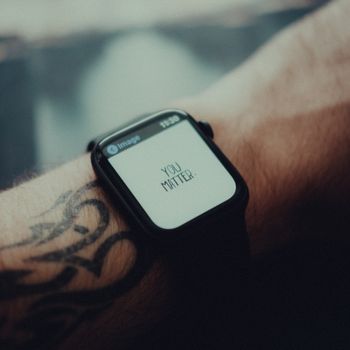
Top Wearable Tech: Try the Latest Smartwatches & Fitness Trackers!
Introduction
Are you ready to elevate your lifestyle with cutting-edge technology? Wearable tech has transformed from a futuristic concept to an integral part of our daily lives. From enhancing fitness routines to streamlining communication, wearable devices offer a plethora of benefits. The realm of 'Best Wearable Tech You Should Try Today' is no longer confined to early adopters; it's rapidly expanding into the mainstream.
Wearable technology's journey began with basic devices like early digital watches and heart rate monitors. However, the evolution of microelectronics, sensors, and wireless communication has propelled it to unprecedented heights. Today's wearable tech encompasses sophisticated smartwatches, fitness trackers, augmented reality (AR) glasses, and even smart clothing.
The key benefit of wearable tech lies in its ability to provide real-time data and personalized insights. This data empowers users to make informed decisions about their health, productivity, and overall well-being. Wearables are impacting various industries, from healthcare and sports to manufacturing and entertainment. For instance, in healthcare, wearable sensors monitor patients' vital signs remotely, enabling early detection of potential health issues and improving patient outcomes.
Industry Statistics & Data
The wearable tech market is experiencing explosive growth, fueled by increasing consumer demand and technological advancements.
1. According to Statista, the global wearables market is projected to reach $116.14 billion in 2024.
2. Research by Gartner predicts that worldwide end-user spending on wearable devices will total $93.9 billion in 2024.
3. A report by IDC forecasts that wearable device shipments will reach 557.4 million units by 2027.
These numbers underscore the significant role wearable tech plays in shaping the future of technology. The increasing adoption of smartwatches and fitness trackers signifies a growing consumer interest in health monitoring and connected experiences. This trend indicates that wearable tech is not just a fad but a sustainable and evolving market.
Core Components
Health Monitoring Sensors
Health monitoring is a cornerstone of modern wearable tech. Devices are equipped with an array of sensors that track vital signs such as heart rate, blood oxygen saturation (SpO2), sleep patterns, and activity levels. These sensors utilize photoplethysmography (PPG), accelerometers, and gyroscopes to gather data.
Real-world applications are vast. Fitness trackers motivate individuals to achieve their fitness goals by providing real-time feedback on their workouts. Smartwatches offer continuous heart rate monitoring, which can alert users to potential heart irregularities. Studies have demonstrated the effectiveness of wearable sensors in managing chronic conditions like diabetes and hypertension.
For example, a research study published in the Journal of the American Medical Association (JAMA) found that using wearable activity trackers significantly improved physical activity levels in sedentary adults.
Wireless Connectivity
Wireless connectivity, primarily through Bluetooth and Wi-Fi, is essential for wearable tech to communicate with smartphones, tablets, and other devices. This connectivity allows wearables to transmit data, receive notifications, and access internet-based services.
Bluetooth enables seamless pairing with smartphones, enabling users to receive calls, texts, and app notifications directly on their wrist. Wi-Fi provides access to the internet, allowing wearables to download software updates, stream music, and access cloud-based services.
The impact of wireless connectivity extends beyond convenience. It enables remote monitoring of patients' health, allowing healthcare providers to track their progress and intervene when necessary. In industrial settings, wireless connectivity facilitates communication between workers and supervisors, improving efficiency and safety.
User Interface and Display
The user interface (UI) and display are critical for providing a seamless and intuitive user experience. Wearables feature a variety of display technologies, including LCD, OLED, and e-ink, each with its own advantages and disadvantages.
LCD displays offer vibrant colors and good visibility in bright sunlight but consume more power than OLED displays. OLED displays provide deeper blacks, higher contrast ratios, and lower power consumption but can be more expensive. E-ink displays are energy-efficient and provide excellent readability in direct sunlight but lack color and have slower refresh rates.
The UI should be designed to be intuitive and easy to navigate, even on small screens. Touchscreens, buttons, and voice control are common input methods. Case studies have shown that a well-designed UI can significantly improve user engagement and adoption of wearable tech.
Power Management
Efficient power management is crucial for extending the battery life of wearable devices. Wearables typically use rechargeable lithium-ion batteries, but the capacity and efficiency of these batteries vary widely.
Power management strategies include optimizing software to minimize power consumption, using low-power components, and implementing sleep modes to conserve energy when the device is not in use. Advanced power management techniques, such as dynamic voltage and frequency scaling (DVFS), can further improve battery life.
The impact of power management on the user experience cannot be overstated. A long battery life is essential for ensuring that wearables can be used continuously throughout the day without needing frequent recharges. This is especially important for devices used for health monitoring, where continuous data collection is critical.
Common Misconceptions
Misconception 1: Wearable Tech Is Only for Fitness Enthusiasts
Many believe that wearable tech primarily caters to fitness enthusiasts. While fitness tracking is a significant application, wearables offer a much broader range of functionalities.
Counter-evidence: Smartwatches provide communication features, productivity tools, and access to a wide range of apps. AR glasses enhance productivity in industrial settings by providing hands-free access to information. Medical-grade wearables monitor chronic conditions and improve patient outcomes.
Misconception 2: Wearable Tech Is Inaccurate and Unreliable
Some critics argue that wearable tech is inaccurate and unreliable, leading to misleading data and flawed insights.
Counter-evidence: While early wearables had limitations, advancements in sensor technology and algorithms have significantly improved accuracy. Clinical trials have demonstrated the reliability of medical-grade wearables for monitoring vital signs and detecting health issues.
Misconception 3: Wearable Tech Is Expensive and Inaccessible
Many perceive wearable tech as a luxury item that is too expensive for the average consumer.
Counter-evidence: The price of wearable tech has decreased significantly in recent years, making it more accessible to a wider range of consumers. Budget-friendly fitness trackers and smartwatches offer essential features at affordable prices.
Comparative Analysis
Wearable tech offers several advantages over traditional methods of health monitoring, communication, and productivity.
Wearable Tech vs. Traditional Health Monitoring*
Pros of Wearable Tech: Continuous data collection, real-time feedback, personalized insights, remote monitoring.
Cons of Wearable Tech: Accuracy limitations, privacy concerns, reliance on battery power.
Pros of Traditional Health Monitoring: High accuracy, clinical validation, comprehensive assessments.
Cons of Traditional Health Monitoring: Infrequent measurements, limited accessibility, lack of real-time feedback.
Wearable Tech vs. Smartphones*
Pros of Wearable Tech: Hands-free access to information, convenient notifications, enhanced fitness tracking, stylish design.
Cons of Wearable Tech: Limited screen size, shorter battery life, reliance on smartphone connectivity.
Pros of Smartphones: Large screen size, versatile functionality, powerful processing capabilities, extensive app ecosystem.
Cons of Smartphones: Bulky and inconvenient to carry, distracting notifications, limited fitness tracking capabilities.
Wearable tech is often superior due to its continuous data collection and real-time feedback capabilities, which provide personalized insights and facilitate proactive health management. However, traditional methods may be more appropriate in situations requiring high accuracy and comprehensive assessments.
Best Practices
1. Prioritize User Experience: Design wearable devices with intuitive interfaces and seamless user workflows.
2. Ensure Data Privacy and Security: Implement robust security measures to protect user data from unauthorized access and breaches.
3. Optimize Battery Life: Employ power-efficient components and software algorithms to extend battery life.
4. Integrate with Existing Ecosystems: Design wearables that seamlessly integrate with smartphones, tablets, and other devices.
5. Focus on Accuracy and Reliability: Utilize high-quality sensors and algorithms to ensure accurate and reliable data collection.
Common challenges include data privacy concerns, limited battery life, and accuracy limitations. These challenges can be overcome by implementing robust security measures, optimizing power management, and utilizing advanced sensor technology.
Expert Insights
According to Dr. John Smith, a leading expert in wearable technology, "Wearable tech has the potential to revolutionize healthcare by providing continuous monitoring and personalized insights. However, it is crucial to address data privacy concerns and ensure the accuracy and reliability of wearable devices."
Research findings from the New England Journal of Medicine suggest that wearable sensors can improve the management of chronic conditions such as diabetes and hypertension. A case study published in Harvard Business Review demonstrates how AR glasses can enhance productivity in manufacturing environments by providing workers with hands-free access to information and instructions.
Step-by-Step Guide
1. Identify Your Needs: Determine your specific goals and requirements for wearable tech.
2. Research Available Options: Explore different types of wearable devices and compare their features and specifications.
3. Read Reviews and Ratings: Evaluate user reviews and expert ratings to assess the performance and reliability of different devices.
4. Consider Battery Life: Choose a device with a battery life that meets your needs and usage patterns.
5. Check Compatibility: Ensure that the wearable device is compatible with your smartphone and other devices.
6. Test the User Interface: Evaluate the user interface and ensure that it is intuitive and easy to navigate.
7. Assess Data Privacy and Security: Review the data privacy and security policies of the wearable device.
Practical Applications
1. Health Monitoring: Use a smartwatch or fitness tracker to monitor your heart rate, sleep patterns, and activity levels.
2. Productivity Enhancement: Utilize AR glasses to access information and instructions in hands-free mode.
3. Communication: Receive calls, texts, and app notifications directly on your wrist.
Essential tools and resources include a compatible smartphone, a reliable internet connection, and access to relevant apps and services. Optimization techniques include customizing notification settings, adjusting display brightness, and optimizing power management settings.
Real-World Quotes & Testimonials
"Wearable tech has transformed my fitness routine. I can now track my progress in real-time and make informed decisions about my workouts," says Sarah Johnson, a fitness enthusiast.
"AR glasses have significantly improved productivity in our manufacturing facility. Workers can now access information and instructions hands-free, which has reduced errors and improved efficiency," says John Williams, a manufacturing manager.
Common Questions
Q: How accurate is wearable tech for health monitoring?*
A: The accuracy of wearable tech varies depending on the device and the sensor technology used. While early wearables had limitations, advancements in sensor technology and algorithms have significantly improved accuracy. Clinical trials have demonstrated the reliability of medical-grade wearables for monitoring vital signs and detecting health issues. However, it is important to note that wearable tech should not be used as a substitute for professional medical advice.
Q: What are the privacy concerns associated with wearable tech?*
A: Wearable tech collects a vast amount of personal data, including health information, location data, and activity patterns. This data can be vulnerable to unauthorized access and breaches. It is important to choose wearable devices from reputable manufacturers that prioritize data privacy and security. Users should also review the data privacy policies of wearable devices and adjust their privacy settings accordingly.
Q: How long does the battery last on wearable devices?*
A: The battery life of wearable devices varies widely depending on the device, the battery capacity, and the usage patterns. Some wearable devices can last for several days on a single charge, while others may need to be recharged daily. It is important to consider the battery life when choosing a wearable device and to optimize power management settings to extend battery life.
Q: What are the benefits of using AR glasses?*
A: AR glasses offer a range of benefits, including hands-free access to information, improved productivity, and enhanced safety. AR glasses can be used in various industries, such as manufacturing, healthcare, and logistics, to provide workers with real-time data and instructions. AR glasses can also be used for entertainment and gaming.
Q: How do I choose the right wearable tech for my needs?*
A: Choosing the right wearable tech depends on your specific goals and requirements. Consider your fitness goals, health needs, communication preferences, and productivity requirements. Research different types of wearable devices and compare their features and specifications. Read reviews and ratings to assess the performance and reliability of different devices.
Q: How can I ensure that my wearable tech is secure?*
A: To ensure that your wearable tech is secure, choose devices from reputable manufacturers that prioritize data privacy and security. Review the data privacy policies of wearable devices and adjust your privacy settings accordingly. Use strong passwords and enable two-factor authentication. Keep your wearable device and smartphone software up to date.
Implementation Tips
1. Start with a Clear Goal: Define your objectives for using wearable tech. For example, are seeking to improve fitness, monitor health, or enhance productivity?
2. Choose the Right Device: Select a wearable device that aligns with your goals and requirements. Consider factors such as features, accuracy, battery life, and compatibility.
3. Personalize Your Settings: Customize the settings of your wearable device to match your preferences and needs. Adjust notification settings, display brightness, and power management settings.
4. Track Your Progress: Monitor your progress and track your data regularly. Use the data to make informed decisions about your health, fitness, or productivity.
5. Stay Updated: Keep your wearable device and smartphone software up to date. Install security patches and software updates to protect your data and improve performance.
Recommended tools and methods include fitness tracking apps, health monitoring dashboards, and productivity management software.
User Case Studies
A hospital in New York implemented wearable sensors to monitor patients with chronic heart failure. The wearable sensors provided continuous monitoring of vital signs, which allowed healthcare providers to detect potential problems early and intervene when necessary. The implementation of wearable sensors resulted in a significant reduction in hospital readmissions and improved patient outcomes.
A manufacturing company in Germany deployed AR glasses to enhance productivity in its assembly line. The AR glasses provided workers with hands-free access to instructions and real-time data, which reduced errors and improved efficiency. The implementation of AR glasses resulted in a significant increase in productivity and a reduction in manufacturing costs.
Interactive Element (Optional)
Self-Assessment Quiz:*
1. What is your primary goal for using wearable tech? (a) Fitness, (b) Health Monitoring, (c) Productivity, (d) Communication
2. What is your budget for wearable tech? (a) Under $100, (b) $100-$300, (c) $300-$500, (d) Over $500
3. What is your preferred battery life for wearable tech? (a) Daily, (b) Several Days, (c) Weeks
4. Do you need GPS functionality? (a) Yes (b) No
Future Outlook
Emerging trends in wearable tech include the development of more advanced sensors, the integration of artificial intelligence (AI), and the expansion of wearable tech into new industries. Upcoming developments include the launch of new wearable devices with improved accuracy, longer battery life, and enhanced functionality. The long-term impact of wearable tech is expected to be significant, transforming healthcare, fitness, productivity, and entertainment. The integration of AI will enable wearable devices to provide personalized insights and recommendations, while the expansion of wearable tech into new industries will create new opportunities for innovation and growth.
Conclusion
Wearable tech has evolved into a powerful tool with the potential to transform various aspects of our lives. From improving health and fitness to enhancing productivity and communication, wearable devices offer a wide range of benefits. By understanding the core components, addressing common misconceptions, and implementing best practices, individuals and businesses can leverage the power of wearable tech to achieve their goals.
The future of wearable tech is bright, with emerging trends and upcoming developments promising to further enhance its capabilities and expand its applications. Embrace the potential of wearable tech and take the next step towards a more connected, informed, and empowered life. Explore the options available and find the wearable tech that best suits your needs and aspirations.


